Browse independent reporting and analysis across AI models, research, technology, robotics, security, policy, ethics and the business of artificial intelligence.
An internal memo reveals Meta is developing a clip-on AI pendant and planning up to four new smart glasses models before year-end. With Reality Labs still losing billions, the wearables push is both a product strategy and a financial imperative.
Nvidia CEO Jensen Huang kicked off Computex 2026 in Taipei with a keynote on the Vera Rubin AI computing platform and Vera CPU, announcing $150 billion in annual investment in Taiwan and positioning the island as the epicenter of the global AI revolution.
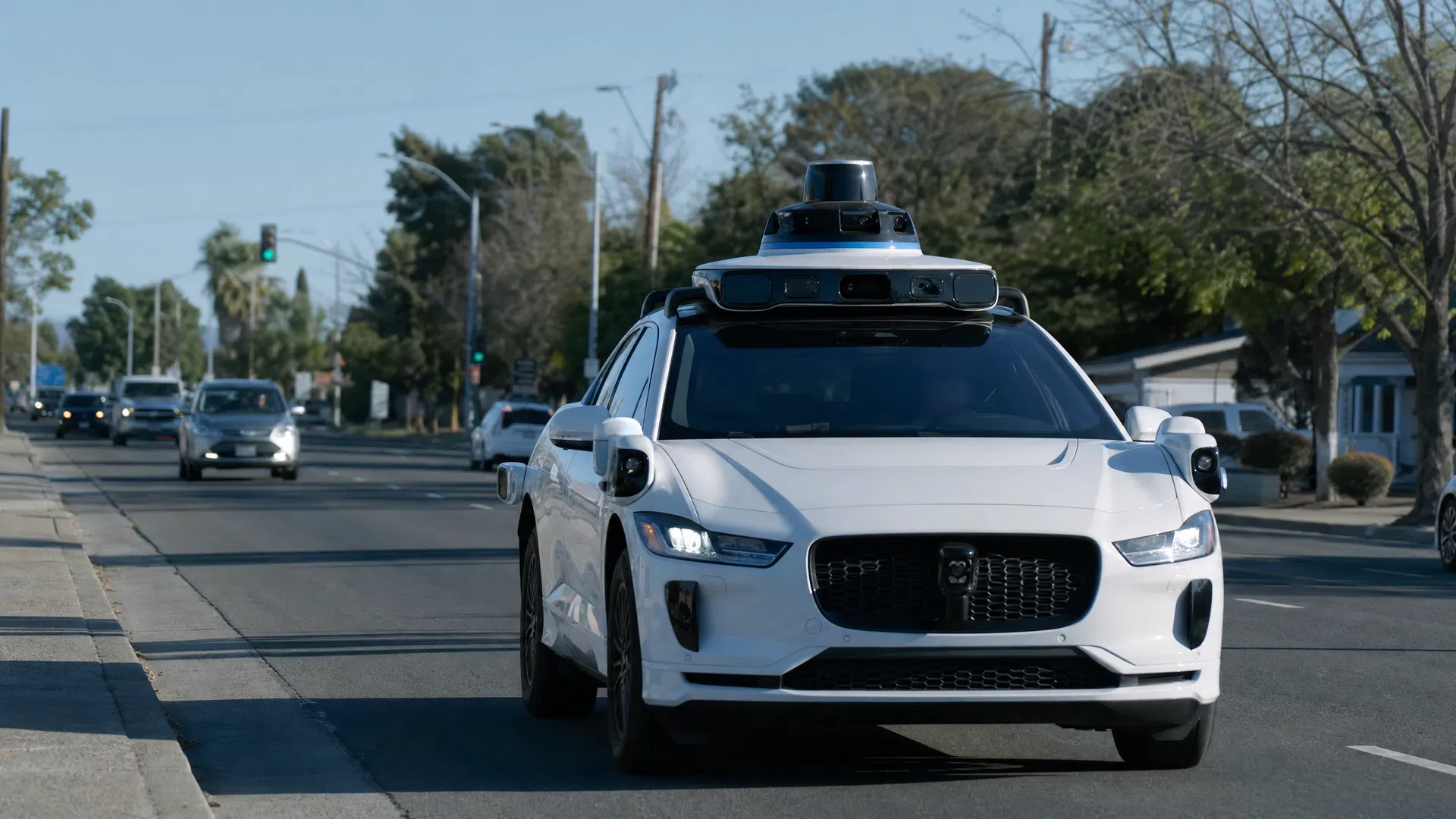
Foretellix announced a reference solution for the NVIDIA Alpamayo ecosystem, enabling autonomous vehicle developers to accelerate data curation, synthetic data generation, testing, and validation workflows for next-generation AI-powered driving systems.
The Trump administration is rapidly advancing AI integration into military operations, but Defense Secretary Pete Hegseth's aggressive stance on autonomous weapons has triggered a major clash with Anthropic, resulting in a $200 million contract cancellation and ongoing litigation.
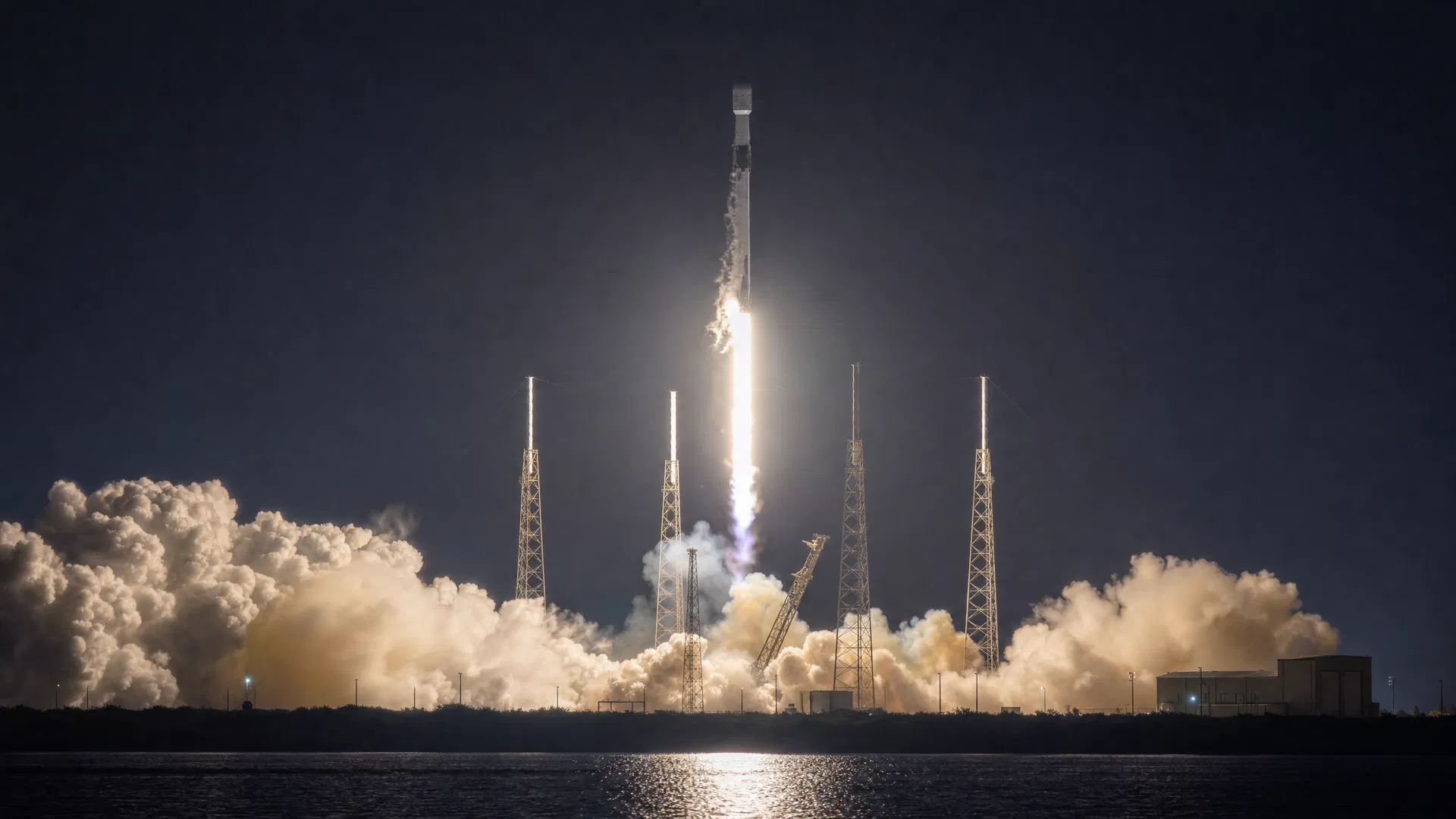
Elon Musk plans to launch one million satellites into orbit by 2028 to power artificial intelligence, but leading scientists warn of potential financial collapse for SpaceX due to the astronomical cost of the project.
From a research curiosity to a $390 billion industry in under ten years — the story of artificial intelligence's extraordinary ascent, the forces that accelerated it, and what comes next.
In the first encyclical of his papacy, Pope Leo XIV issued the most comprehensive moral analysis of artificial intelligence ever produced by a major religious institution. The 42,000-word document calls for AI to be 'disarmed' of its competitive logic — and names Anthropic by name.
The Trump administration's 'National Policy Framework for Artificial Intelligence' identifies seven legislative priorities — and makes one thing unmistakably clear: no new federal AI regulator. The document is non-binding, but it is the most detailed articulation yet of how the administration wants federal AI policy to take shape.
At the 2026 Choose France summit, SoftBank Group announced a commitment to develop 5 GW of AI data center capacity in France — up to €75 billion over five years. The first phase alone, at €45 billion and 3.1 GW, is the largest single AI infrastructure investment in European history.
Cognition's Series D closes at a $26 billion post-money valuation after Devin's annualised revenue grew from $37 million to $492 million in twelve months. The round is the clearest signal yet that independent AI coding agents can survive in a market where every frontier lab is building one.
SB 315 requires frontier AI companies with over $500 million in annual revenue to submit to mandatory independent third-party safety audits, publish annual safety plans, and report incidents within 72 hours. Governor Pritzker is expected to sign. No US state has gone this far before.
OpenAI's advertising platform reached $100 million in annualised revenue within six weeks of launching on 9 February 2026. CPMs have dropped from $60 to $25 as the platform opened to self-serve advertisers on 5 May. The economics of advertising inside a conversation are different from anything that has come before.
At Google I/O 2026, DeepMind CEO Demis Hassabis tightened his AGI timeline to 2029–2030, calling the current agentic era 'a practice run' and describing humanity as standing 'in the foothills of the singularity.' The forecast carries weight that no other public AGI prediction does.
OpenAI's confidential S-1 reveals $25 billion in annualised revenue, a negative 122% operating margin, and $50 billion in planned compute spending for 2026 alone. The largest tech IPO in history is also one of the most financially precarious.
Google's annual developer conference unveiled Gemini Omni, a model that generates video from any input, alongside information agents in Search, a Universal Cart, and the Gemini Spark personal AI. The company's most ambitious I/O in a decade.
European Parliament and Council negotiators struck a final compromise on the AI Omnibus in May, delaying high-risk AI obligations and removing machinery products from the AI Act's scope. Civil society groups warn the deal waters down fundamental safeguards.
Google's disclosure of an AI-generated zero-day exploit in May 2026 has forced a reckoning with a question the security community has long deferred: what are the ethical obligations of AI labs whose models can autonomously discover and weaponise vulnerabilities?
A global survey of 1,000 robotics developers by QNX Research finds that 27% cite software architecture as their biggest performance bottleneck, compared to just 16% who point to hardware. As robots move into dynamic real-world environments, software foundations are becoming the decisive factor.
Anthropic's withheld Mythos model reportedly discovered thousands of unpatched vulnerabilities across major browsers and operating systems during internal testing. The disclosure dilemma it creates has no precedent in the history of responsible security research.
Announced at Google I/O 2026, Gemini for Science integrates Google's frontier models with over 30 major life science databases and tools, enabling researchers to run queries across genomics, protein structure, and climate data at a scale previously impossible.
Anthropic's newest flagship model arrives just 41 days after its predecessor, with best-in-class benchmark results, improved uncertainty flagging, and a new Dynamic Workflows feature that coordinates hundreds of parallel subagents for codebase-scale tasks.
Backed by TPG, Goldman Sachs, and McKinsey, OpenAI's new consulting subsidiary is a Palantir-style bet on forward-deployed engineers — and an admission that selling API access alone is no longer enough.
A joint investigation by Canada's federal and provincial privacy commissioners found OpenAI collected and used personal data without meaningful consent, setting a precedent that could reshape AI data practices globally.