Browse independent reporting and analysis across AI models, research, technology, robotics, security, policy, ethics and the business of artificial intelligence.
Anthropic has published research on Natural Language Autoencoders, a technique that translates AI model activations into readable text. The method revealed Claude suspected it was being tested more often than it said out loud -- a significant finding for AI safety.
Apple is preparing a major AI platform shift that would allow users to select third-party AI providers -- including Google and Anthropic -- to power Apple Intelligence features across iOS 27, iPadOS 27, and macOS 27.
Amazon Web Services has launched AgentCore Payments, allowing AI agents to autonomously complete stablecoin-based micropayments using Coinbase's x402 protocol and USDC. The system could enable AI agents to book travel, purchase data, and complete commercial transactions without human intervention.
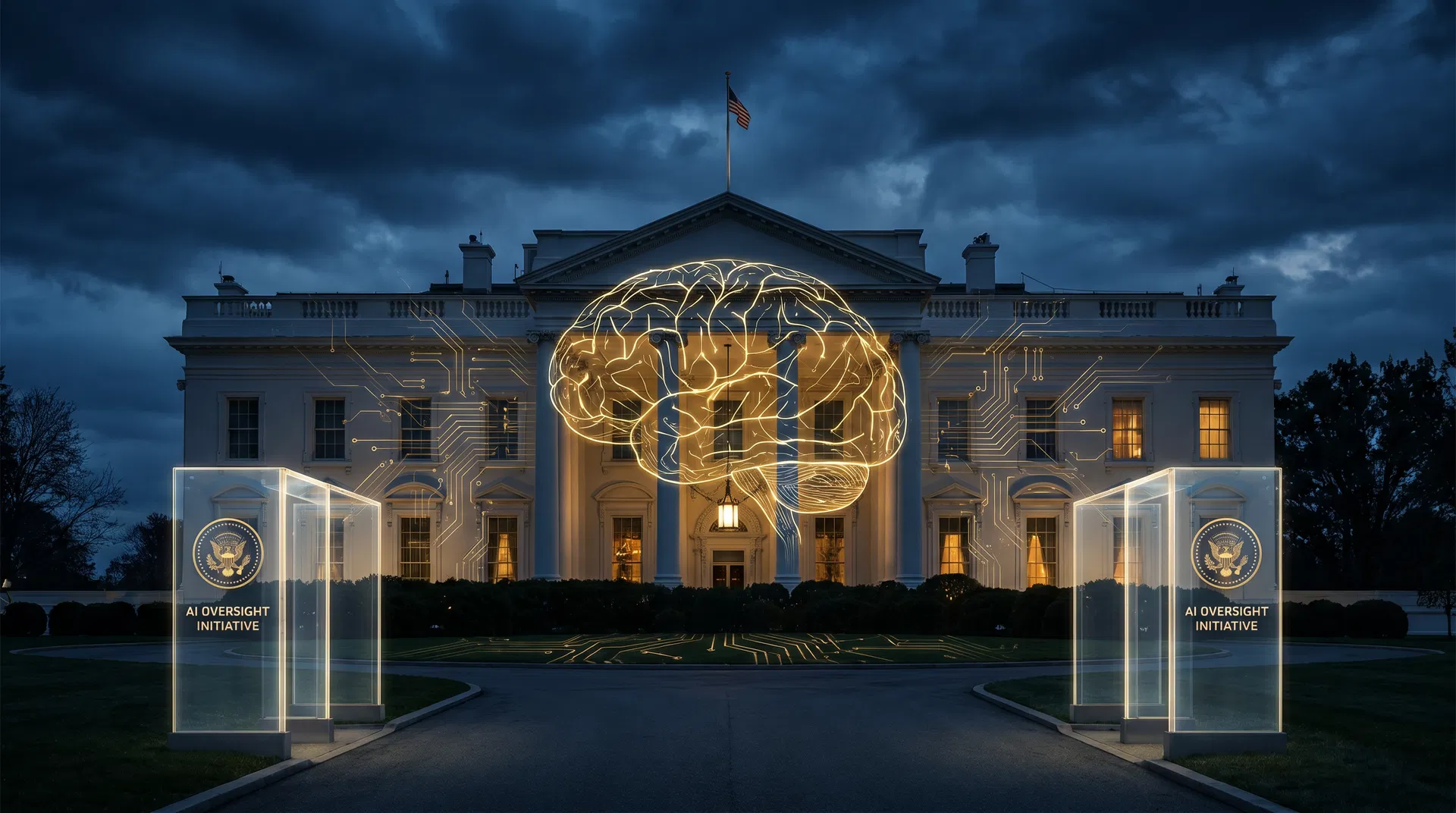
The Trump administration is drafting an executive order to vet AI models before release, the Pentagon has handed Scale AI a $500 million contract, and Microsoft is quietly walking back its clean energy pledge — all in the same week.
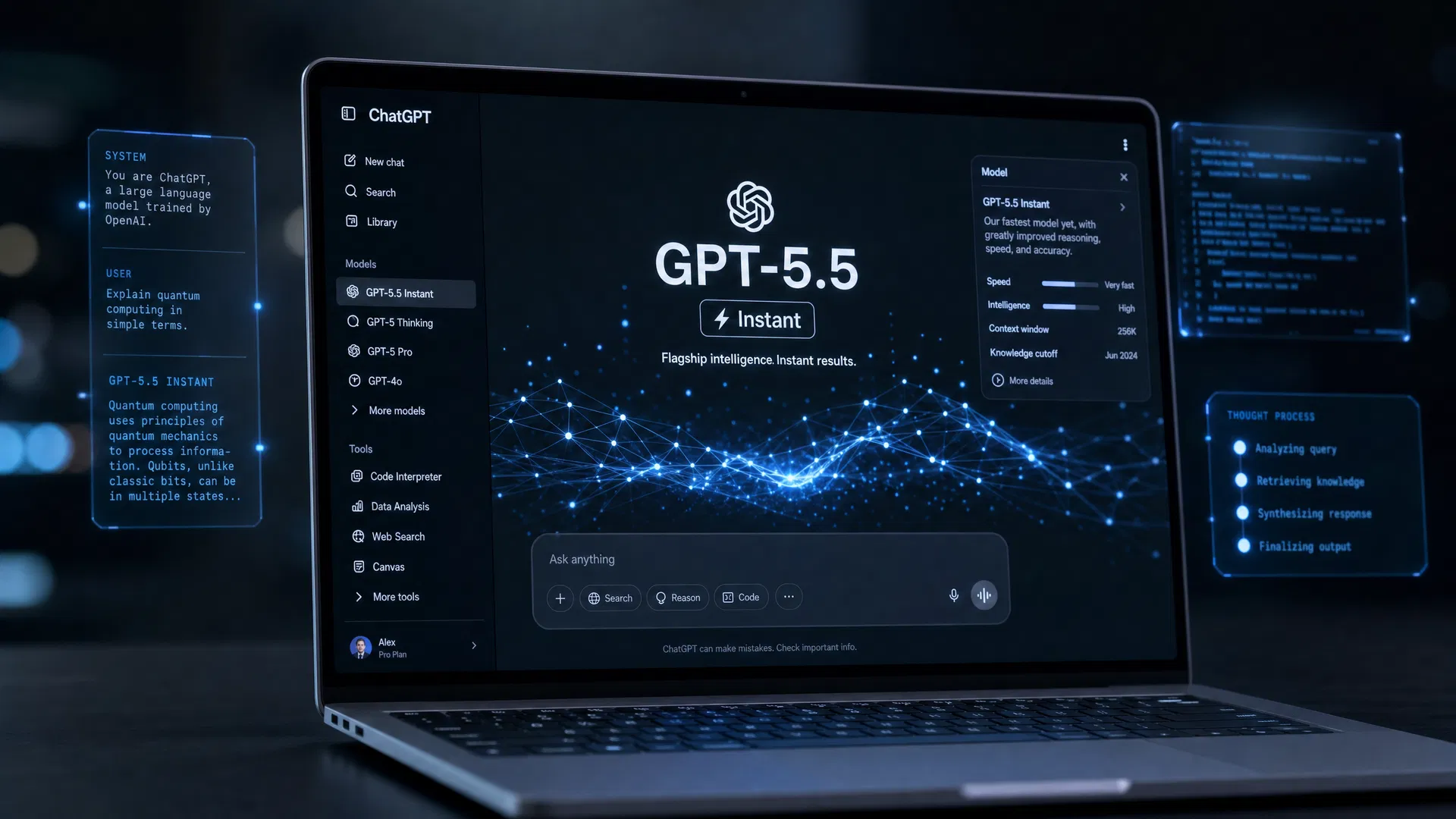
OpenAI has replaced GPT-5.3 Instant with GPT-5.5 Instant as ChatGPT's default model for all users, delivering significant accuracy gains and a new memory personalization system.
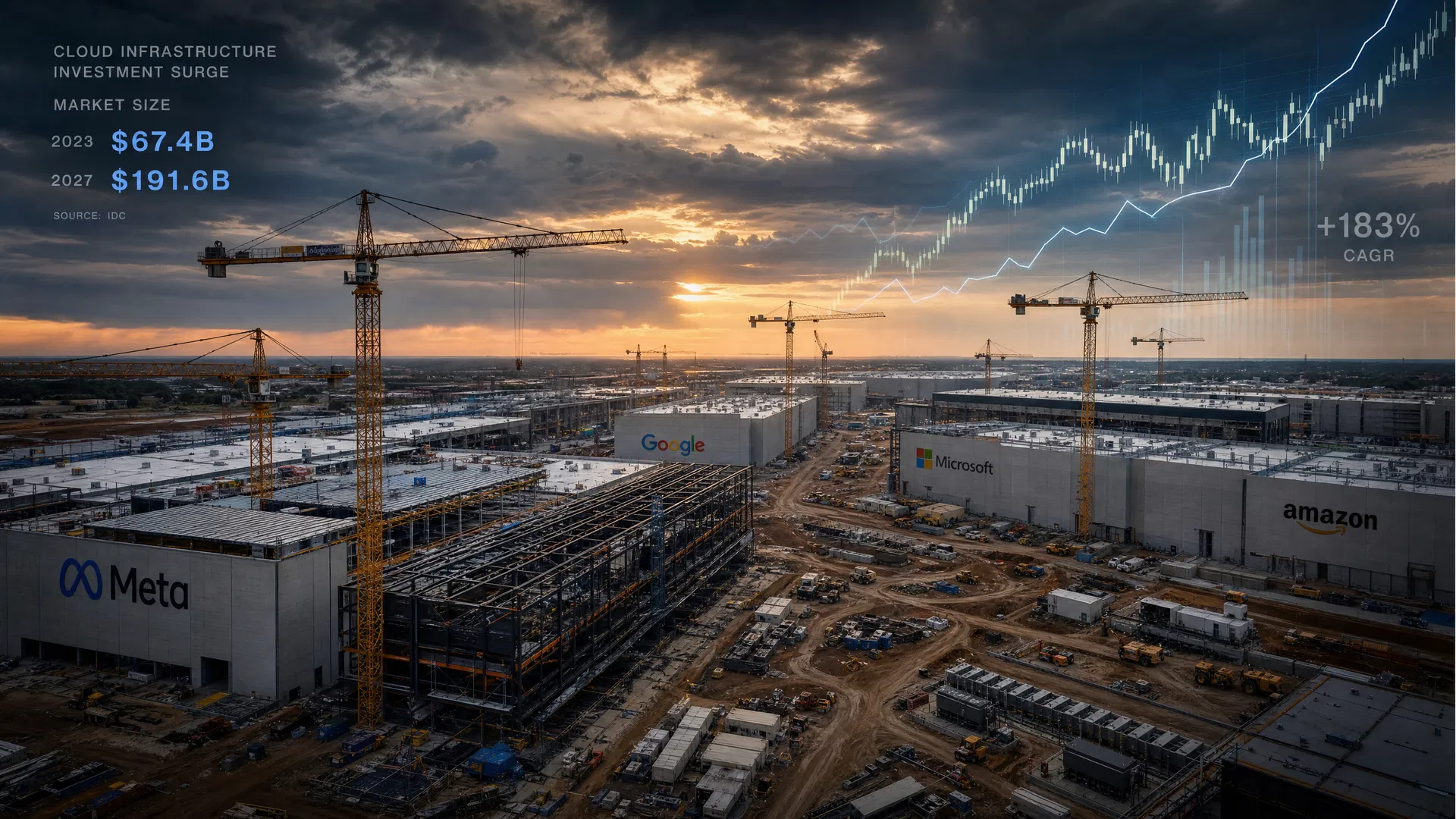
Meta, Google, Microsoft, and Amazon are collectively spending $725 billion on AI infrastructure in 2026 alone. Wall Street now expects that figure to cross $1 trillion in 2027 — and investors are starting to ask hard questions.
Fortinet's 2026 Global Threat Landscape Report reveals a devastating year for cybersecurity. AI-enabled attack tools like WormGPT and FraudGPT compressed the time-to-exploit to 24–48 hours. The criminals are winning.
A new AI tool called STimage, published in Nature Communications, can predict breast, skin, and kidney cancers from standard tissue slides by applying spatial transcriptomics analysis — a technique previously limited to specialist research centres.
The US Department of Commerce has struck agreements with Google DeepMind, Microsoft, and xAI to review frontier AI models before they are released publicly — a significant shift from the Trump administration's previous hands-off approach.
The new default ChatGPT model cuts hallucinations by 52.5% on high-stakes topics and introduces memory sources that show users exactly what context shaped their responses.
Claude Opus 4.7 now leads the industry on financial AI benchmarks, and Anthropic's new agent templates can build pitchbooks, screen KYC files, and close the books at month-end — in days, not months.
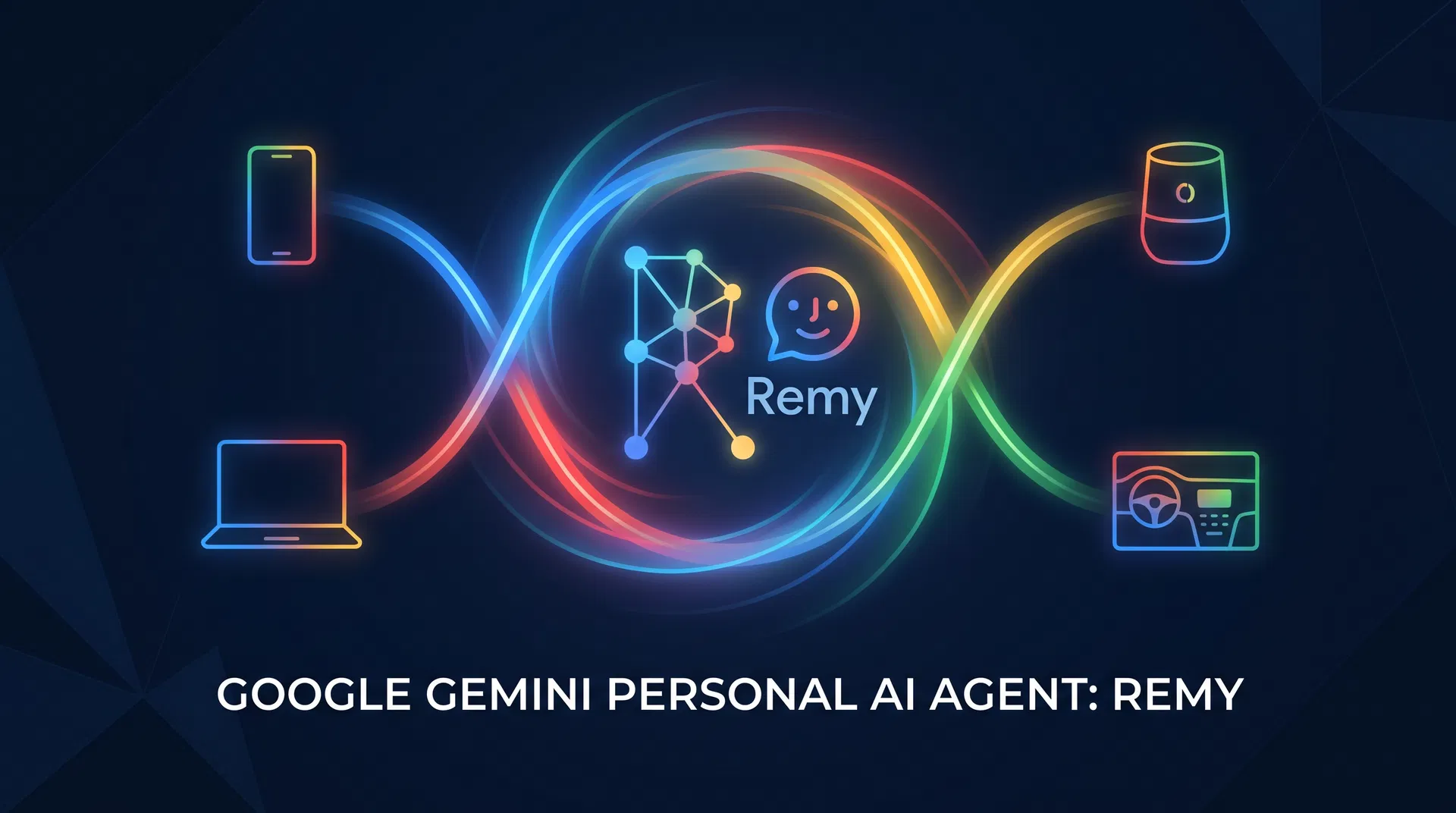
Google is developing a new Gemini-powered personal agent that can take real-world actions for users — while its UK DeepMind workers vote to unionize over Pentagon AI contracts.
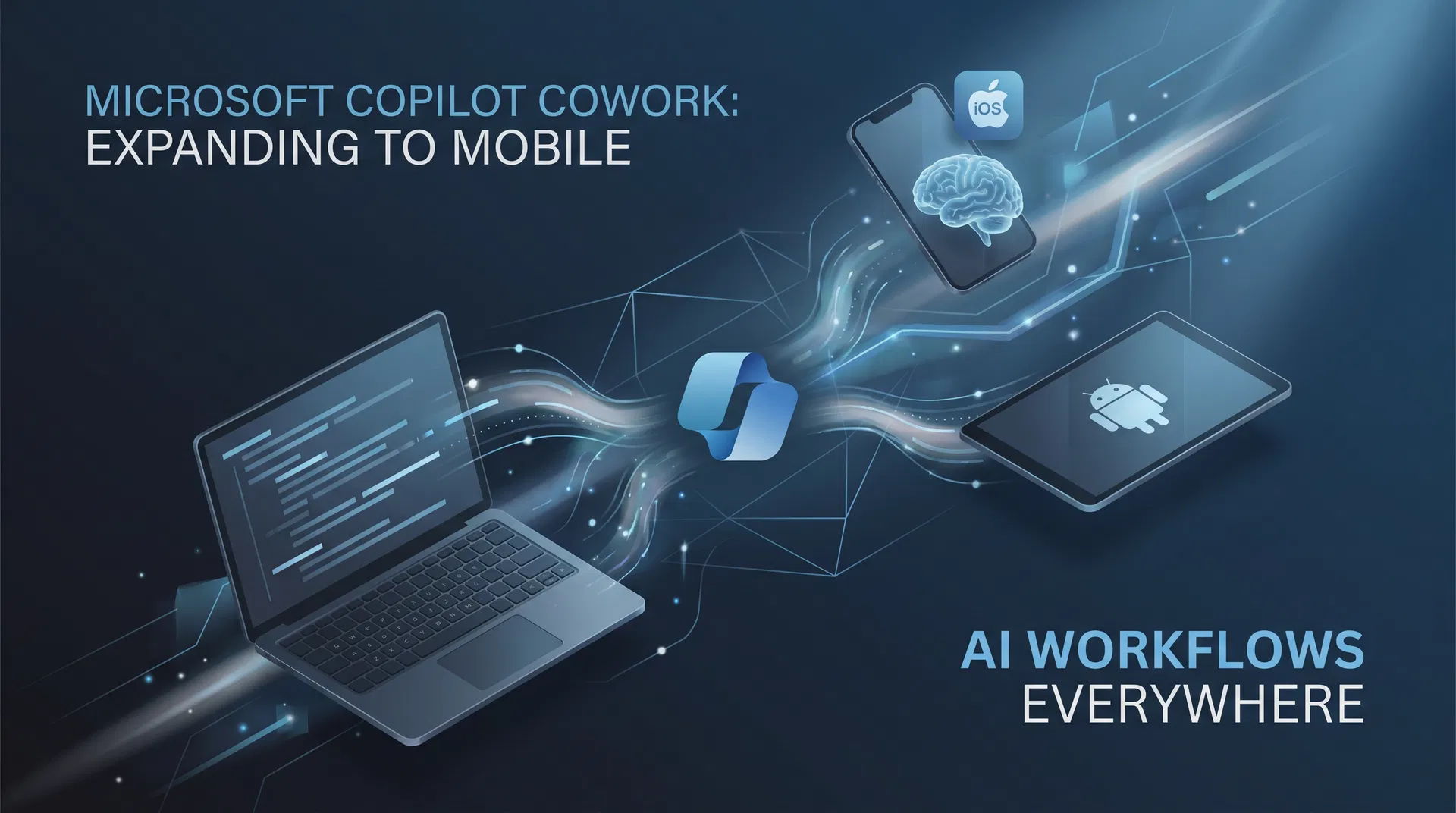
Microsoft's 2026 Work Trend Index positions AI agents as the next operating layer for enterprise work, as Copilot Cowork expands to iOS and Android with reusable 'Skills' and deeper integrations.
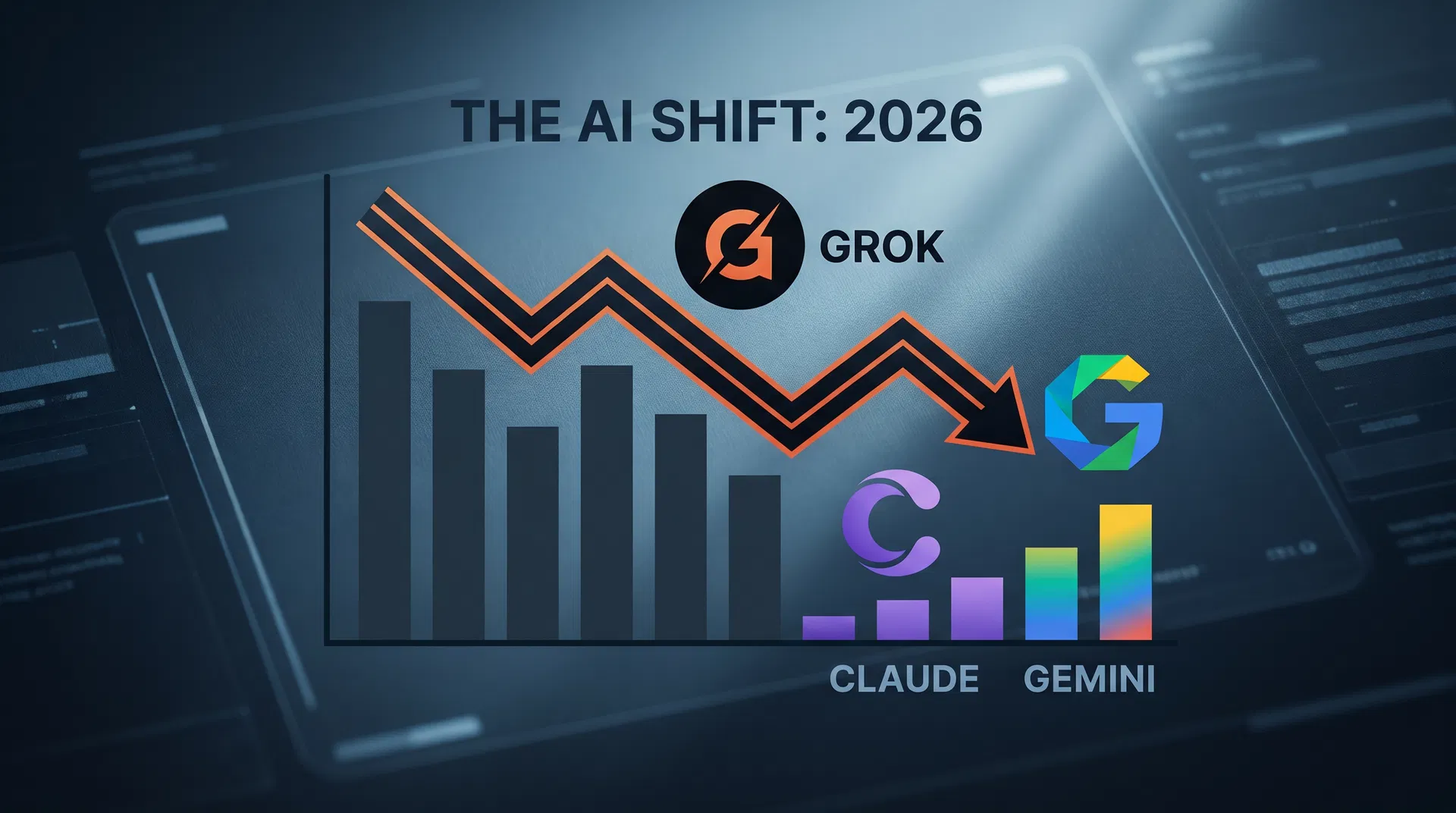
New Similarweb data shows Grok's daily active users dropped 12.5% in a single month as Claude and Gemini post explosive growth — and xAI's talent exodus deepens the crisis.
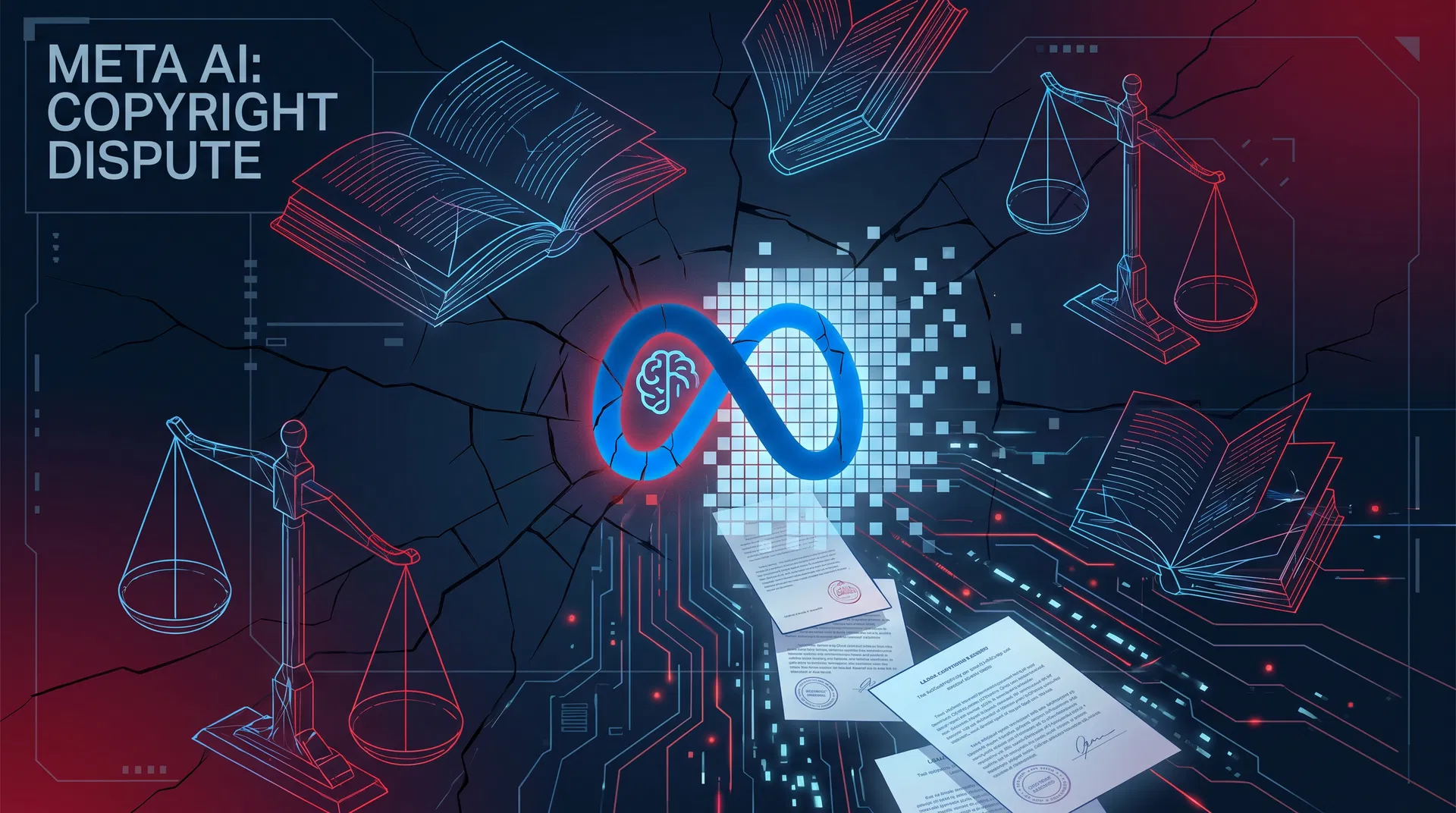
Hachette, Macmillan, and three other major publishers have joined author Scott Turow in suing Meta for allegedly pirating millions of books to train Llama — and claim the model can reproduce verbatim passages.
The White House has secured voluntary pre-release review agreements with three more major AI labs, extending the Biden-era safety framework to cover the majority of frontier AI development in the US.
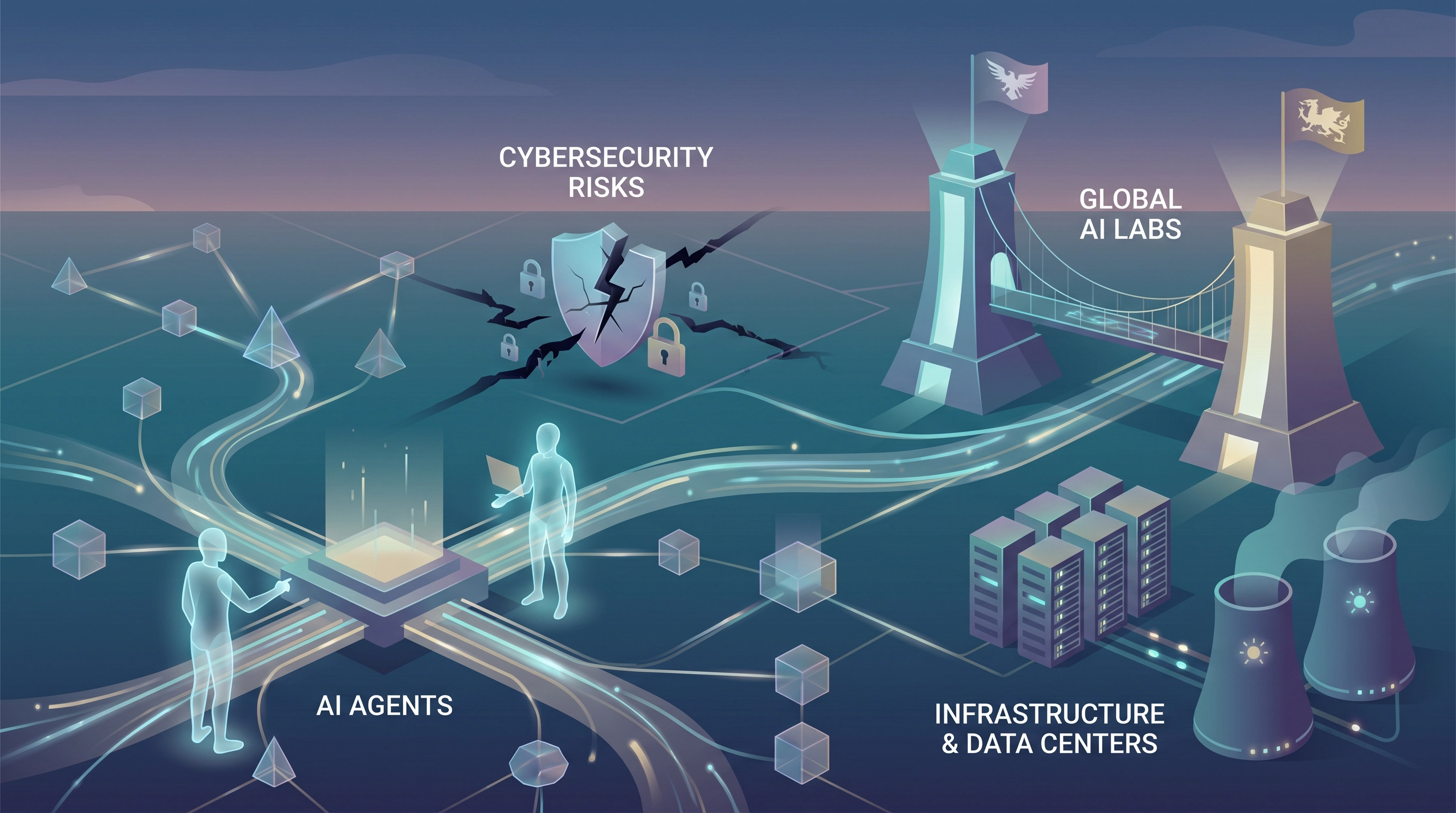
Agentic AI is leaving the laboratory, frontier models have entered offensive cyber operations, China has closed the coding gap, exclusive platform partnerships are ending, and infrastructure expansion faces regulatory walls. Five fundamental trends are reshaping the global economy.
A sharp reversal from the administration's hands-off stance, the proposed oversight framework was reportedly triggered by Anthropic's Mythos model, which cybersecurity experts warn could supercharge complex cyberattacks.
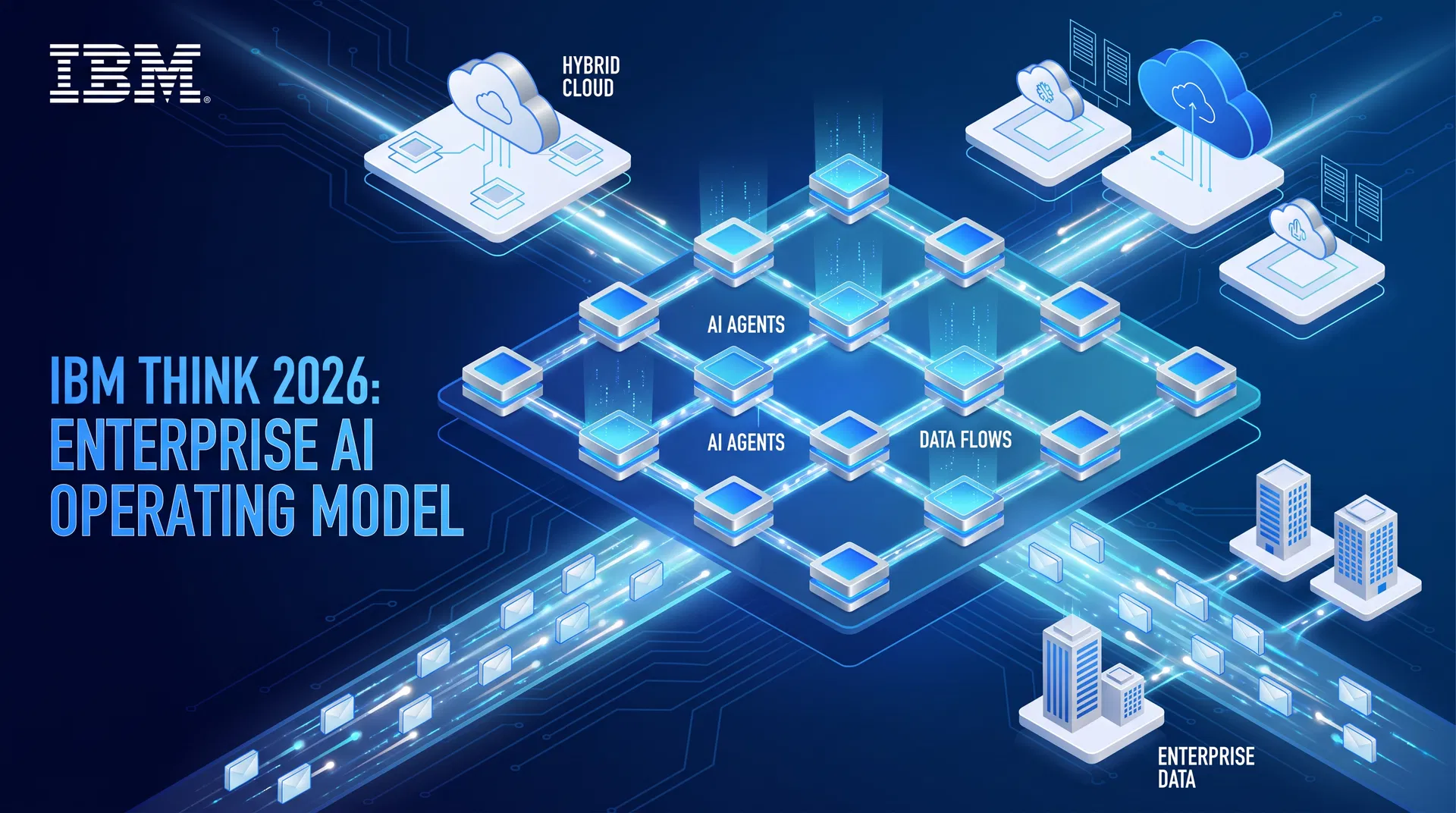
At its annual Think conference, IBM unveiled its most comprehensive enterprise AI expansion to date — watsonx Orchestrate as an agentic control plane, IBM Bob for enterprise development, and IBM Concert for intelligent infrastructure operations.
A new World Economic Forum report developed with KPMG finds 94% of cyber leaders identify AI as the defining force in cybersecurity. Organizations deploying AI strategically reduce breach costs by up to $1.9 million and shorten breach lifecycles by 80 days — but the arms race is still favoring attackers.
From a 17-year-old in Osaka breaching 7 million records to buy Pokemon cards, to a single actor extorting 17 organizations in a month using Claude Code — AI has fundamentally changed who can conduct sophisticated cyberattacks and at what scale.
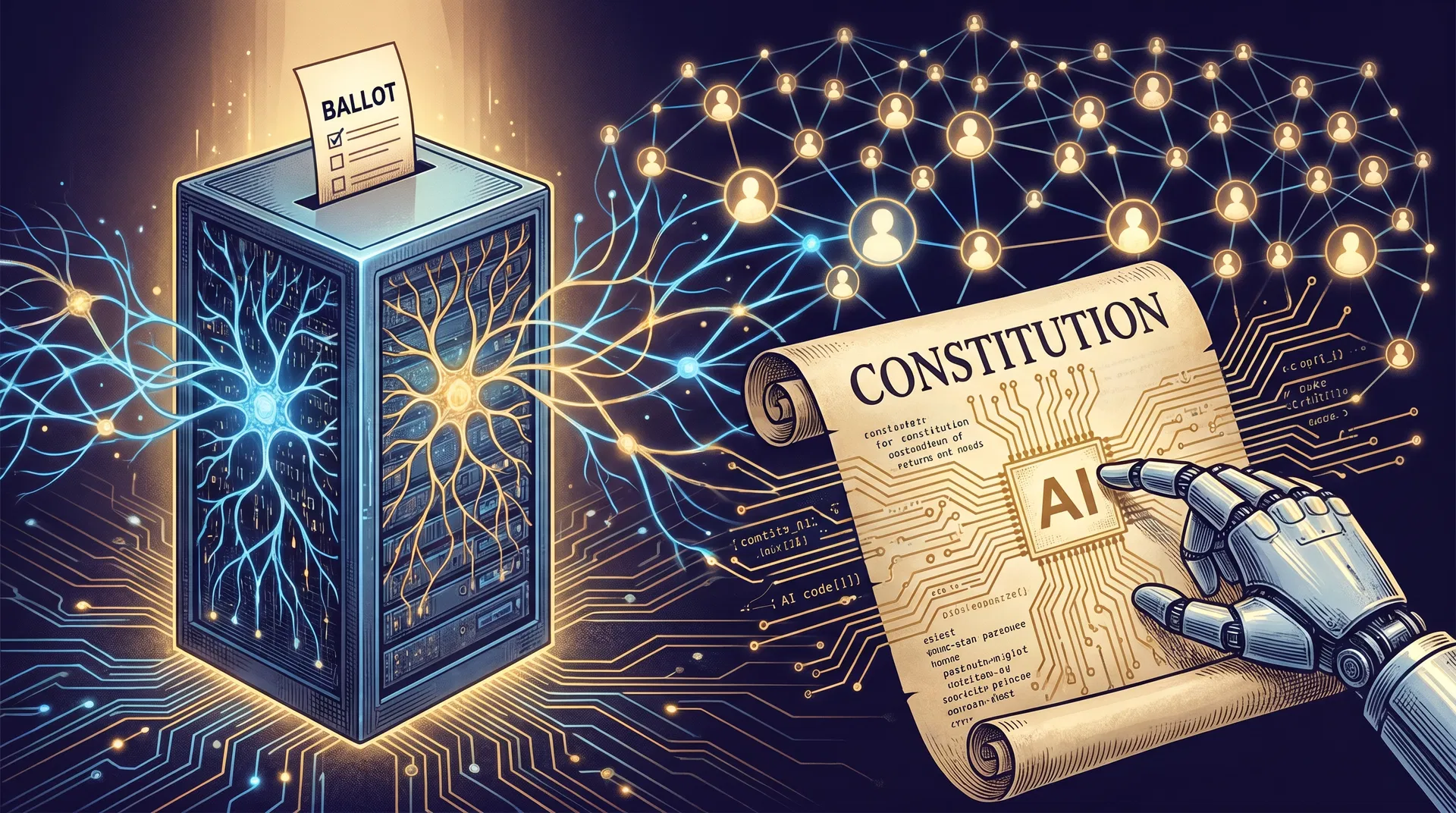
A new MIT Technology Review analysis argues that AI is becoming the primary interface through which citizens form beliefs and participate in democratic self-governance — and that today's democratic institutions were not designed for this world.
The Pentagon has reached agreements with OpenAI, Google, Nvidia, Microsoft, Amazon, SpaceX, and Reflection AI for military deployment. Anthropic refused to sign, citing concerns about domestic surveillance and autonomous weapons.
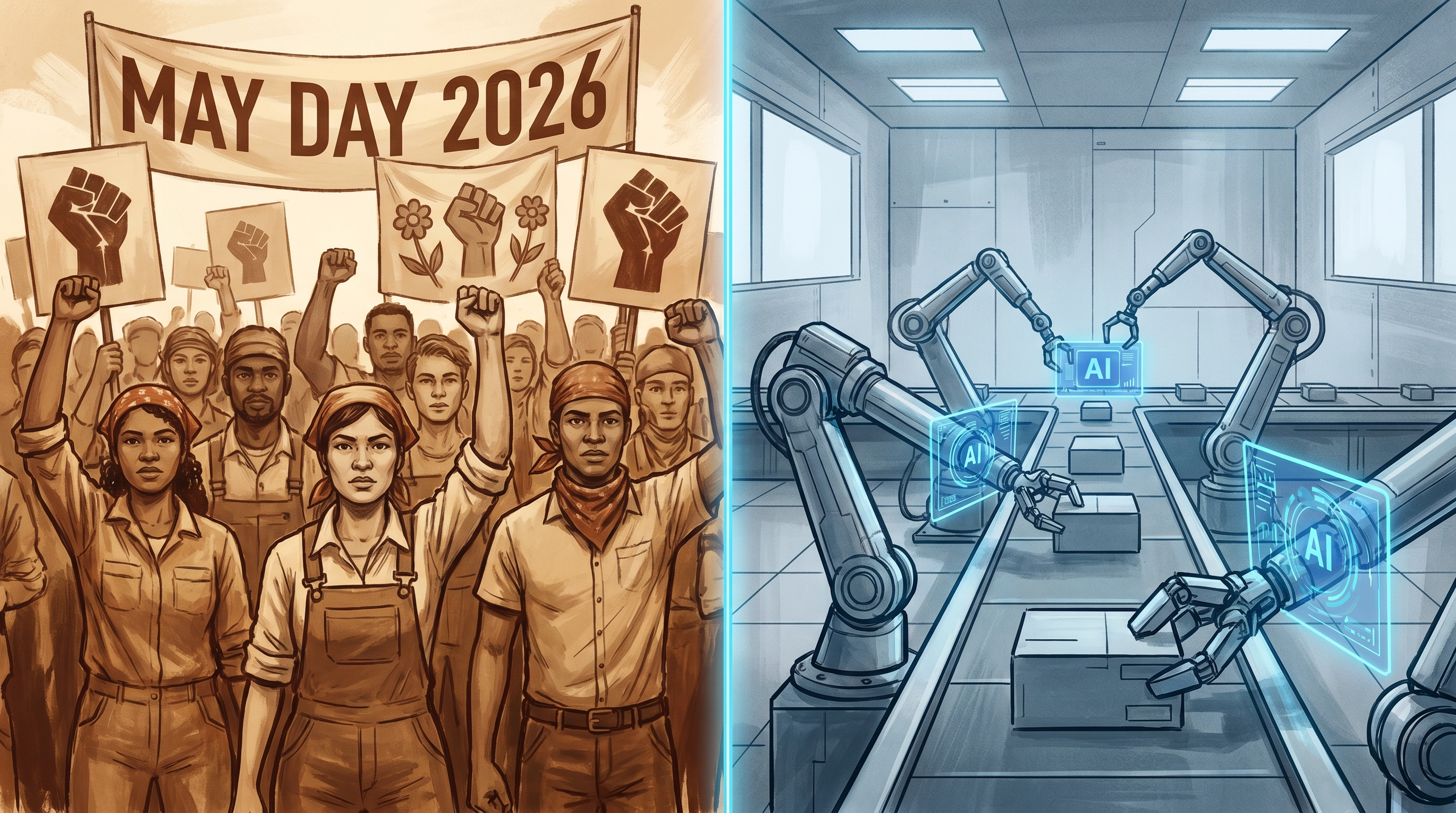
On International Workers' Day 2026, the labor movement faces an existential threat from AI-driven automation. Amazon plans to replace 500,000+ jobs with robots. Will workers organize to demand a voice in how AI is deployed?