Browse independent reporting and analysis across AI models, research, technology, robotics, security, policy, ethics and the business of artificial intelligence.
Nvidia's rise in data-center Ethernet switching shows how the AI boom is pulling networking into the same strategic orbit as GPUs. The company is turning cluster efficiency into a broader infrastructure business.
As training clusters scale toward hundreds of thousands of accelerators, networking is becoming as strategic as the chips themselves. The frontier model race now depends on fabrics that keep GPUs fed, synchronized, and efficient.
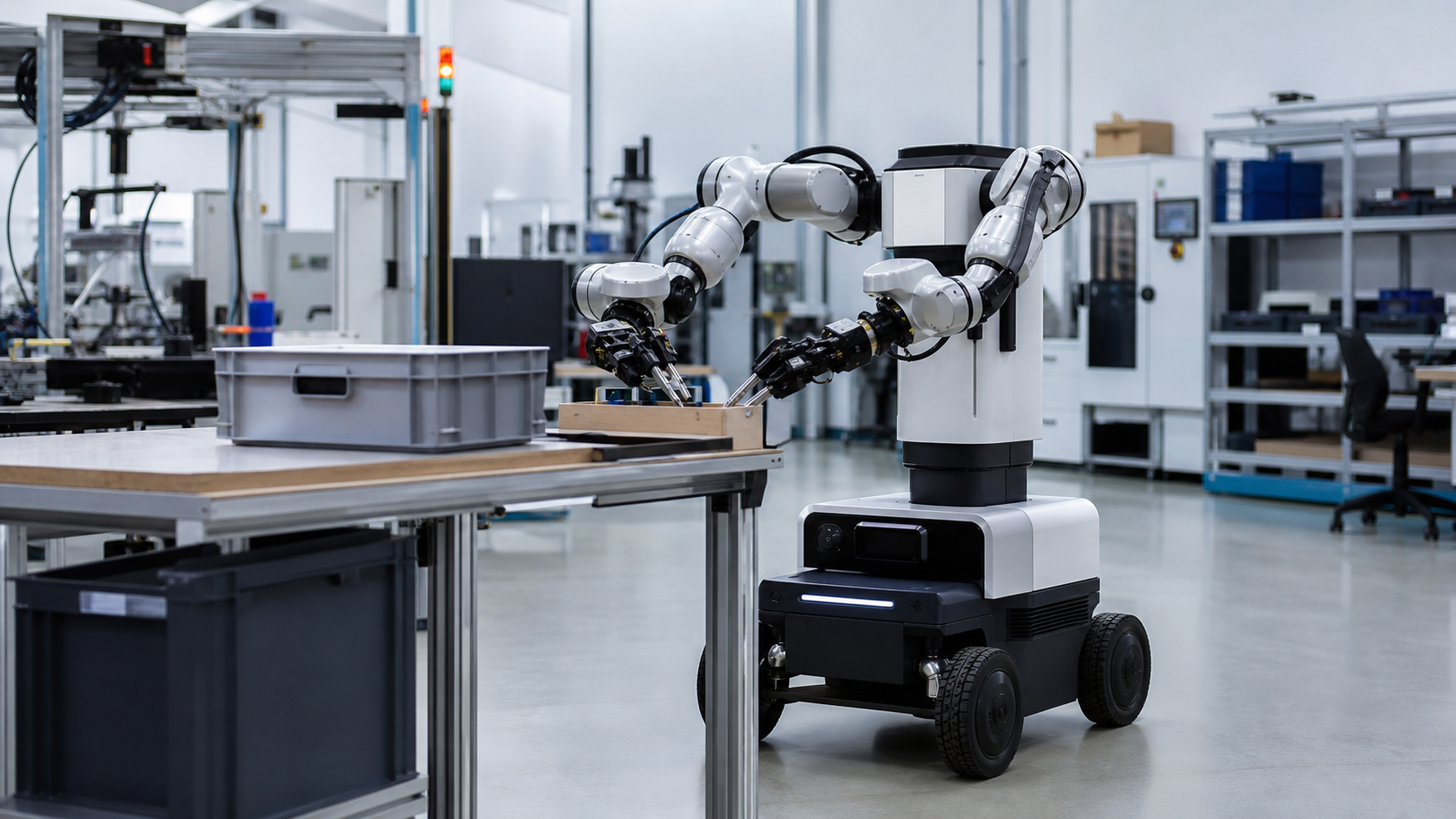
Robots, autonomous vehicles, and physical AI systems are forcing safety teams to think beyond model behavior. The real challenge is lifecycle engineering: sensors, humans, environments, updates, and failure recovery.
Benchmarks are no longer enough to prove an AI system is trustworthy. As models move into high-stakes workflows, the evaluation layer is becoming a product, a governance system, and a competitive moat.
Reflection AI's reported access to SpaceX-scale compute shows how open-source model competition is becoming a capital and infrastructure race. The question is no longer only who has the best researchers, but who can secure enough training capacity to matter.
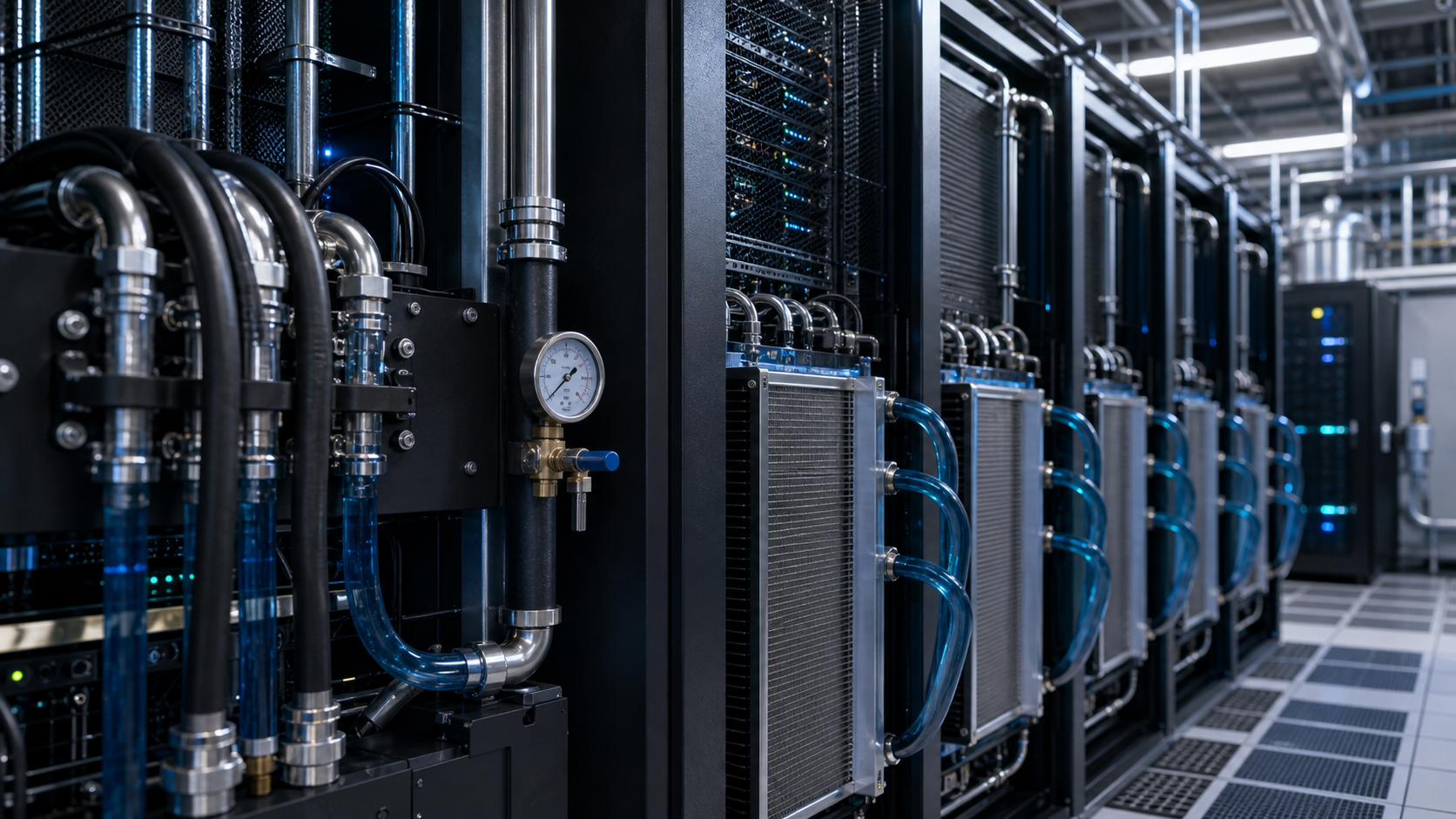
As AI racks grow denser, liquid cooling is moving from a technical option to an infrastructure strategy. The shift reflects a hard reality: frontier AI needs more power per square foot than yesterday's cloud facilities were built to handle.
High-bandwidth memory is turning into one of the most important constraints behind frontier AI. GPUs get the headlines, but the memory stack increasingly determines who can build and serve the next generation of models.
The AI talent market is no longer just about compensation. As researchers move between labs, investors and executives are treating entire teams as strategic infrastructure that can change a company's model roadmap.
As models saturate public benchmarks, evaluations are becoming a product-trust and governance issue. Buyers, regulators, and labs need tests that explain behavior under pressure, not just scores that look good in launch posts.
Companies are learning that AI agents cannot become real coworkers without identity, permissions, and audit logs. The trust layer around agents may become one of the most important enterprise AI markets.
Government AI buying is shifting from ordinary software procurement to strategic model access. The agencies that choose frontier systems may shape standards, safety expectations, and which labs become national infrastructure.
Hollywood's relationship with AI is getting more complicated as studios, streamers, and tech companies become financially intertwined. Critical storytelling about AI now has to navigate the same companies funding tools, distribution, and production.
Convey has raised $38 million to build AI coworkers for repetitive office workflows, according to Business Insider. The round shows enterprise AI shifting from assistants that draft text to agents that are expected to own repeatable business outcomes.
Microsoft has reportedly turned to Amazon Web Services to help support GitHub's AI workloads. The move underscores a bigger shift: AI coding tools are no longer lightweight developer features; they are compute-hungry infrastructure products.
OpenAI has hired policy scholar Dean Ball to lead a Strategic Futures team, Axios reports. The move shows frontier AI companies treating policy expertise as core operating infrastructure, not outside lobbying support.
Genesis AI's Eno robot is being pitched as a practical alternative to human-shaped robots, according to Business Insider. The design points to a sharper robotics question: should general-purpose machines imitate people, or just do the work people need done?
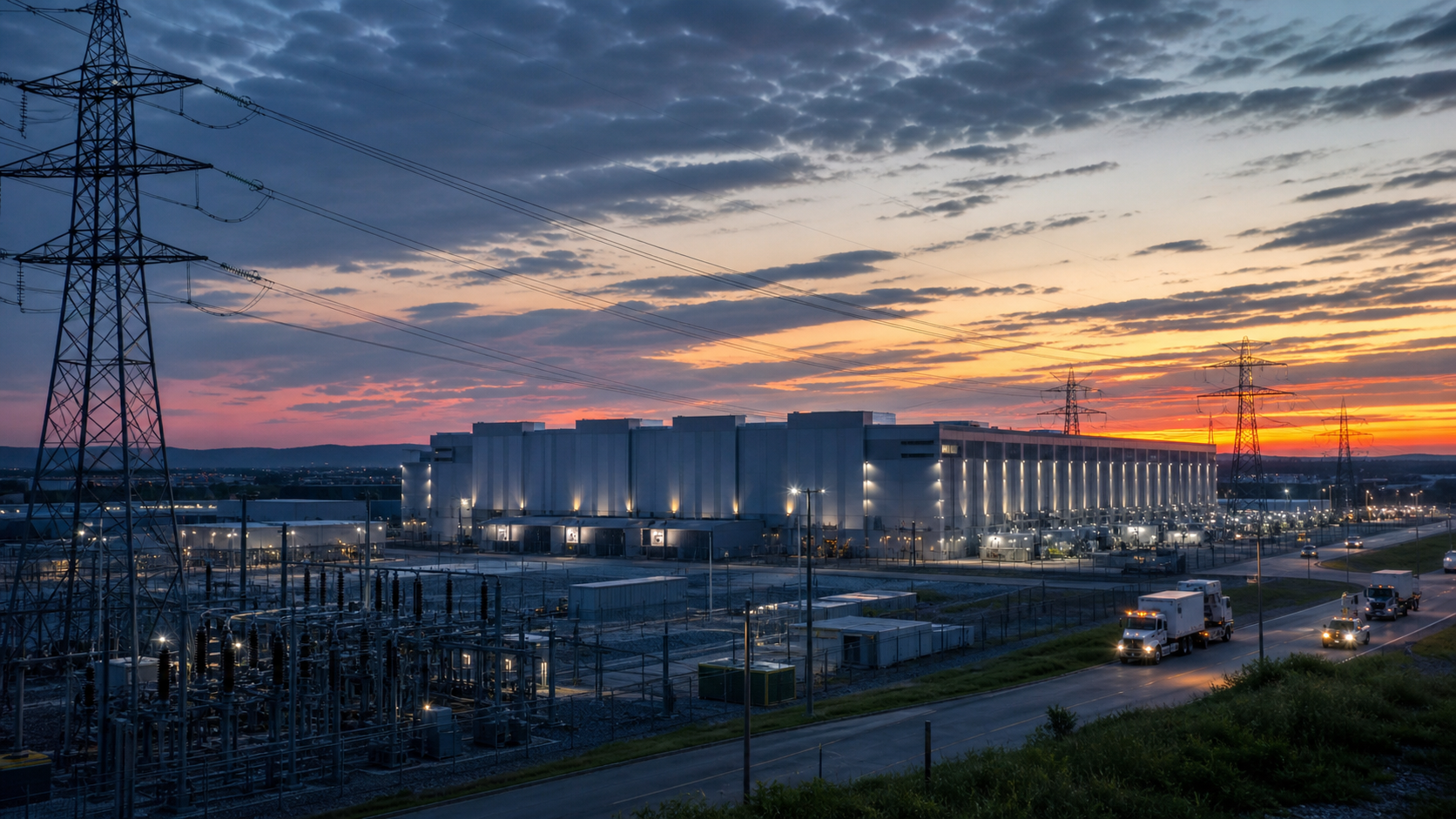
Federal energy regulators are pushing grid operators to speed large-load connection processes as AI data centers strain electricity planning. The move shows compute demand moving from a private cloud concern into public infrastructure policy.
Cybersecurity leaders warn that restricting access to advanced AI models can hurt defenders as well as adversaries. The Anthropic access dispute shows why national-security AI policy has to account for defensive users, not just misuse risk.
President Trump told Axios that he recently viewed Anthropic as a national-security threat before relations thawed after a G7 meeting with CEO Dario Amodei. The episode shows how frontier model access is becoming a direct instrument of U.S. security policy.
Google is using its cloud balance sheet and TPU roadmap to challenge Nvidia's AI infrastructure dominance. The fight is no longer only about benchmark speed; it is about who can finance, package, and rent enough compute for the next model cycle.
Reports that U.S. restrictions on Anthropic's newest models alarmed UK businesses are turning AI sovereignty into an operational issue. If a foreign policy decision can interrupt access to frontier models, enterprises need jurisdictional resilience, not just better prompts.
AlphaFold pioneer and Nobel laureate John Jumper is leaving Google DeepMind for Anthropic, according to Business Insider. The move shows that the AI talent war is expanding from chatbot leaders to scientists who can turn models into discovery engines.
Axios reports that AI-generated political ads are spreading through the 2026 midterm cycle, often before voters, platforms, or regulators can agree on disclosure norms. The campaign use case shows how synthetic media becomes powerful when it is cheap, local, and deniable.
Jennifer Siebel Newsom's new documentary Miss Representation: Rise Up spotlights social media harms, online misogyny, and AI-enabled deepfake abuse. The film arrives as regulators and platforms face growing pressure to treat synthetic sexual imagery as a mainstream safety crisis.