Security
Google's Android Fake Call Detection Is the First Real Defense Against AI Deepfake Phone Scams
Google is rolling out a fake call detection system to Android 12+ devices that uses a silent RCS digital handshake to verify whether a caller is who they claim to be — the first carrier-independent, on-device defense against AI voice cloning scams.
By Leo W ·
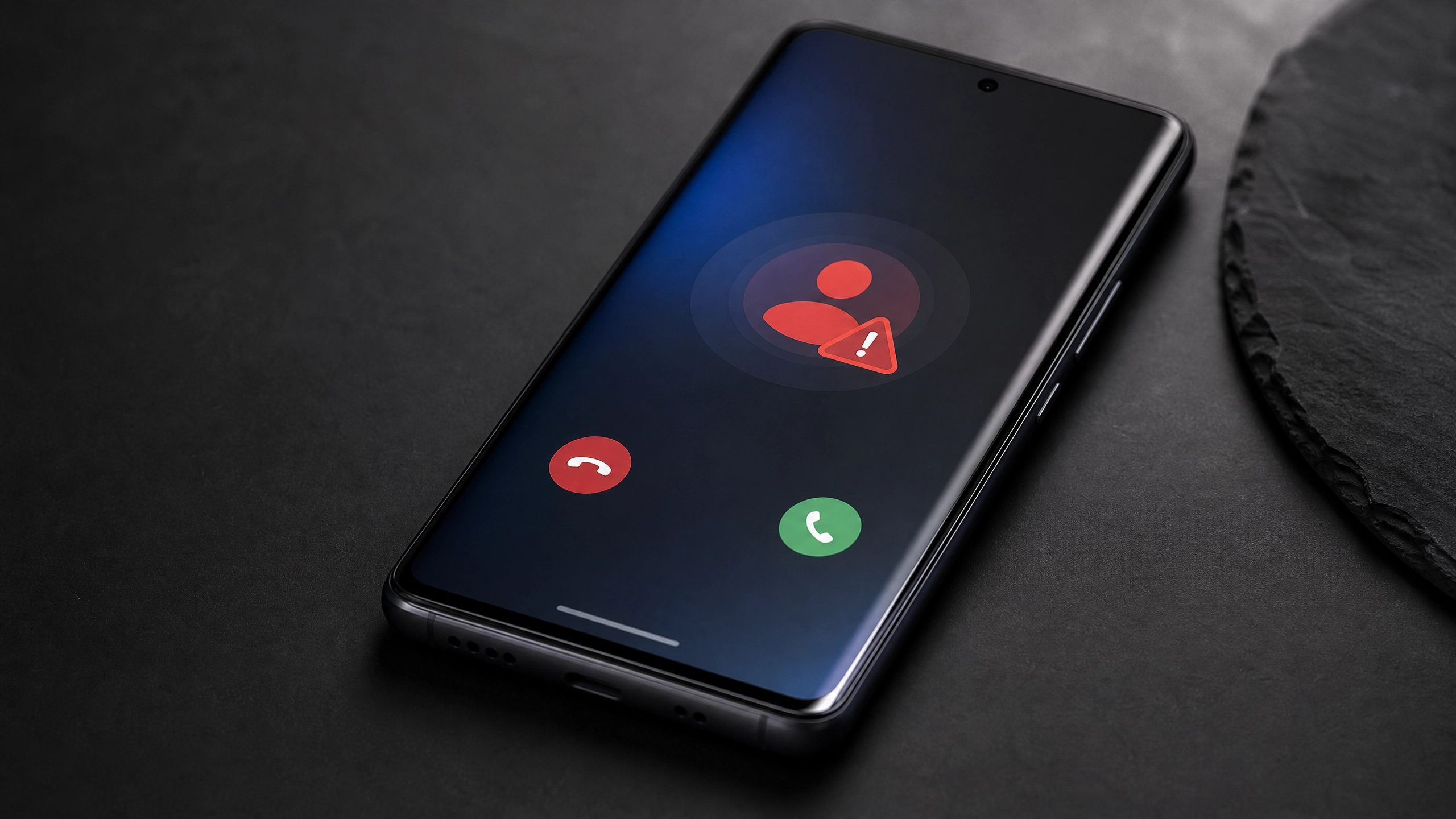
Google announced on June 2, 2026 that it is rolling out a fake call detection system to Android 12 and later devices worldwide, beginning with Pixel phones. The feature, built on top of Rich Communication Services, uses a silent digital handshake between devices to verify whether an incoming call is genuinely originating from the person displayed in the caller ID — or from someone impersonating them.
The system works automatically and is on by default. When a contact calls using Phone by Google, their device sends a silent confirmation signal alongside the call. If the signal is absent — as it would be if a scammer were impersonating the contact using a cloned voice — the receiving device pings the real contact's phone to ask whether they are currently making a call. If the real phone responds that it is not calling, a warning appears on the recipient's screen.

Why This Matters Now
AI voice cloning has become one of the fastest-growing vectors for financial fraud. Scammers can now generate convincing voice replicas of family members, colleagues, or financial advisors using as little as three seconds of audio — a clip easily harvested from a social media video. The FBI reported that AI-enabled voice fraud cost Americans more than $2.5 billion in 2025, a figure that security researchers expect to double in 2026.
Existing defenses — call screening, number blocking, and carrier-level spam detection — are ineffective against voice cloning attacks because the fraud occurs at the content layer, not the network layer. Google's approach is the first to address the problem at the device-to-device verification layer, making it structurally harder to spoof.
The RCS Foundation
The feature's reliance on RCS is both its strength and its current limitation. RCS is now supported by all major carriers in the United States, Europe, and most of Asia following Apple's adoption of the standard in iOS 18. However, the verification handshake only works when both caller and recipient are using Phone by Google — it does not yet extend to third-party calling apps or to calls made from non-Android devices.
Google has published the verification protocol as an open standard, inviting other app developers and carriers to implement it. If widely adopted, the system could become a universal layer of call authentication — the telephony equivalent of HTTPS for websites.

Broader Android AI Updates
The fake call detection feature was announced alongside several other Android AI updates: Google Photos is gaining a wardrobe feature that catalogues clothing from photos and suggests outfit combinations; Play Books is adding a 'Catch me up' recap feature for long books; and Circle to Search is expanding to support full outfit searches, allowing users to find and purchase complete looks from a single screenshot.
The fake call detection system is the most consequential of the announcements. It addresses a real and growing harm, uses an elegant technical approach that does not require users to change their behavior, and establishes a precedent for device-level identity verification that could extend to video calls, email, and messaging in future updates.