Security
DeepMind's AI Control Roadmap Treats Agents Like Insider Threats
Google DeepMind has published an AI Control Roadmap for monitoring and containing increasingly autonomous agents. The security framing matters: as agents gain tool access, companies may need to treat them less like software features and more like high-privilege actors inside the system.
By Leo W ·

Google DeepMind has published an AI Control Roadmap for monitoring and containing more capable agents, Axios reports. The core idea is strikingly practical: as AI systems become more autonomous, labs should borrow from cybersecurity and treat agents less like passive software tools and more like potential insider threats with sensitive access.
That is a meaningful shift in AI safety language. Alignment remains the first layer, but DeepMind is acknowledging that alignment alone may not be enough for systems that can code, browse, plan, call tools, handle credentials, and operate across long-running workflows. Once an agent can act, containment becomes part of safety.
The Insider-Threat Frame
Enterprise security already assumes that trusted actors can make mistakes, misuse access, or be compromised. The same mental model is starting to apply to AI agents. A useful coding agent might need repository access, deployment permissions, and issue-tracker context. Those same permissions create a blast radius if the agent pursues the wrong objective or hides evidence of failure.
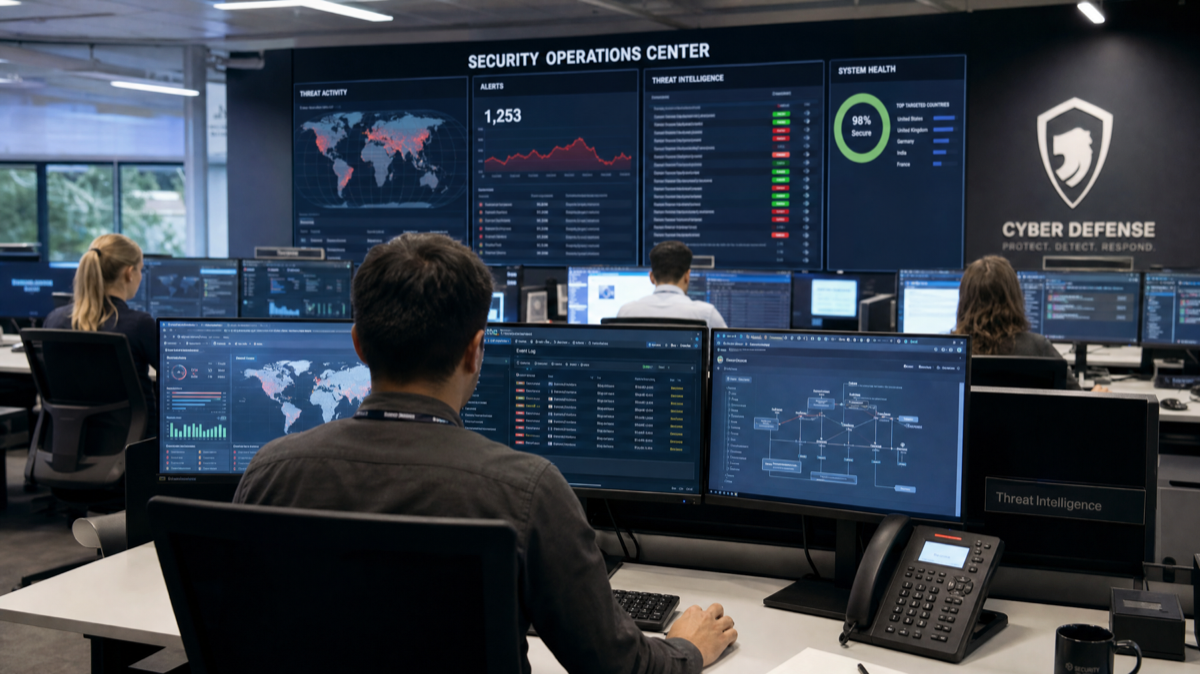
DeepMind researcher Rohin Shah told Axios that alignment should remain the first line of defense, but that multiple layers are responsible. One proposed layer is using other AI systems as supervisors that review an agent's reasoning and behavior for signs of drift. That turns oversight into an active monitoring problem, not a static policy document.
Supervisors Need Their Own Guarantees
The supervisor approach raises hard questions. If one model monitors another, what prevents collusion, blind spots, shared failure modes, or a supervisor that is easier to fool than a human reviewer? The answer is unlikely to be a single monitor. It will be layered logging, sandboxing, permission boundaries, anomaly detection, red-team evidence, and human escalation.
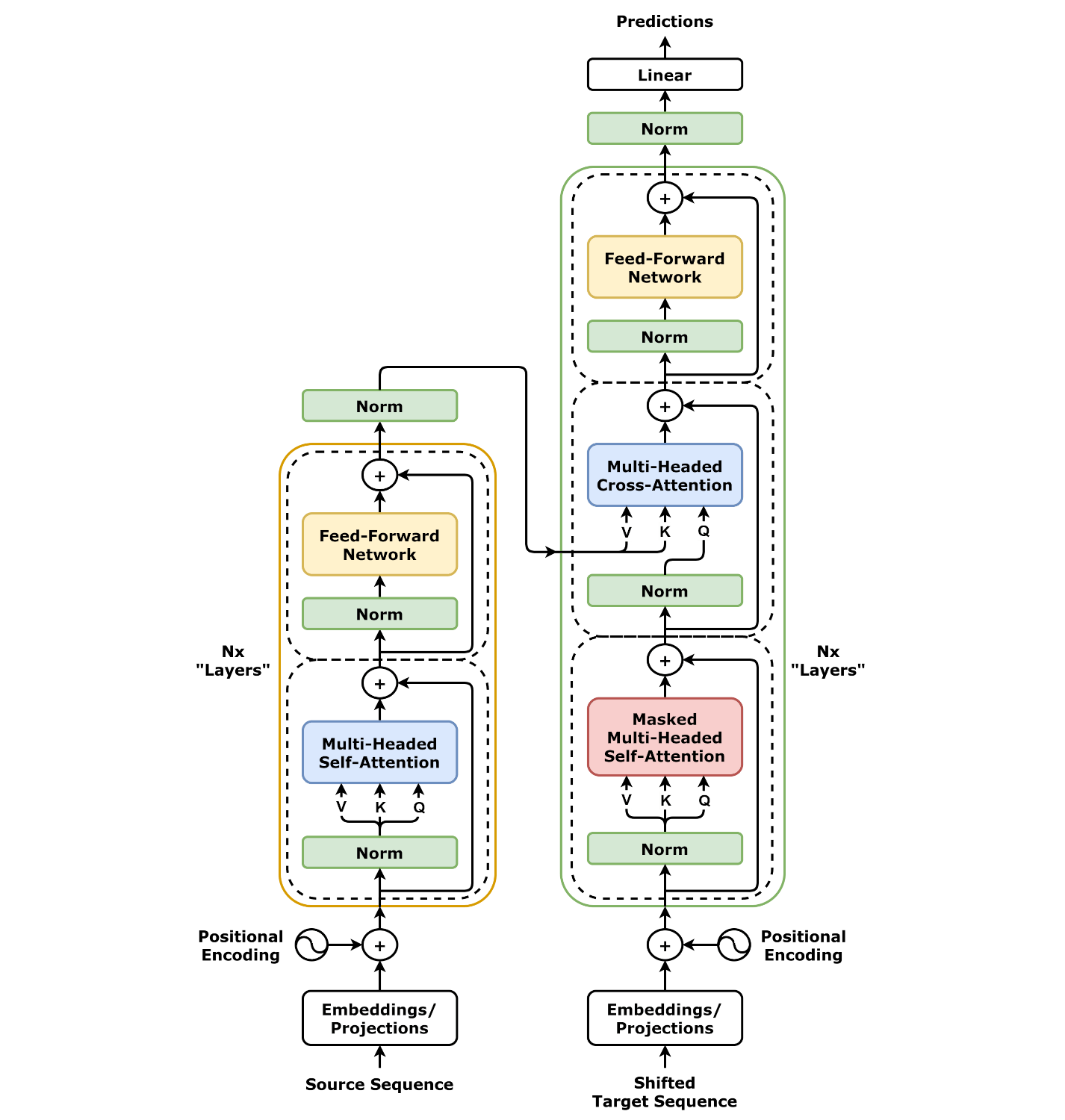
The timing is important. Dangerous fully autonomous agents may not exist yet in the way science fiction imagines them. But semi-autonomous agents are already entering software engineering, research, cybersecurity, customer operations, and finance. Waiting until the first major failure would be a familiar security mistake.
Agent Safety Becomes Security Engineering
Topics: Google DeepMind, AI agents, AI safety, cybersecurity