Security
BSides Bangalore Opens With AI Security At The Center Of Cyber Risk
BSides Bangalore's annual cybersecurity conference is putting artificial intelligence and emerging cyber threats at the center of its July 9 agenda, reflecting how quickly AI security has moved from niche topic to board-level concern.
By Leo W ·
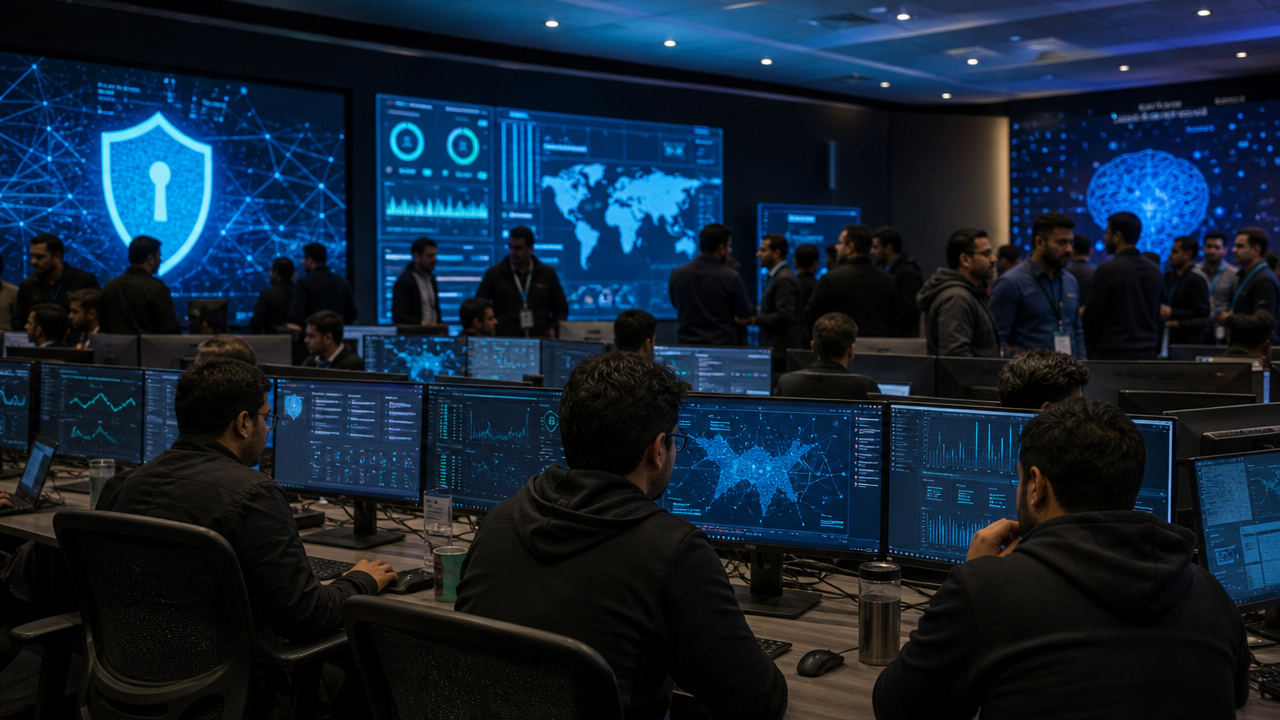
BSides Bangalore opens its annual cybersecurity conference on Thursday with artificial intelligence sitting near the center of the agenda, a sign that AI security has moved from specialist concern to mainstream cyber-risk priority.
The Times of India reported that the conference will bring together cybersecurity professionals, government representatives, researchers and industry leaders at the Sheraton Grand Hotel in Whitefield. The agenda includes emerging cyber threats, advances in artificial intelligence and digital security.
The timing is not accidental. Security teams are absorbing a wave of AI-enabled risk: faster phishing, synthetic identity attacks, model misuse, automated vulnerability discovery, data leakage through copilots and the early signs of agentic attack workflows.
For India, the topic is especially urgent. Bengaluru is a major technology hub, and Indian enterprises are adopting AI across customer service, software development, finance, healthcare and operations. That creates opportunity, but it also expands the attack surface.
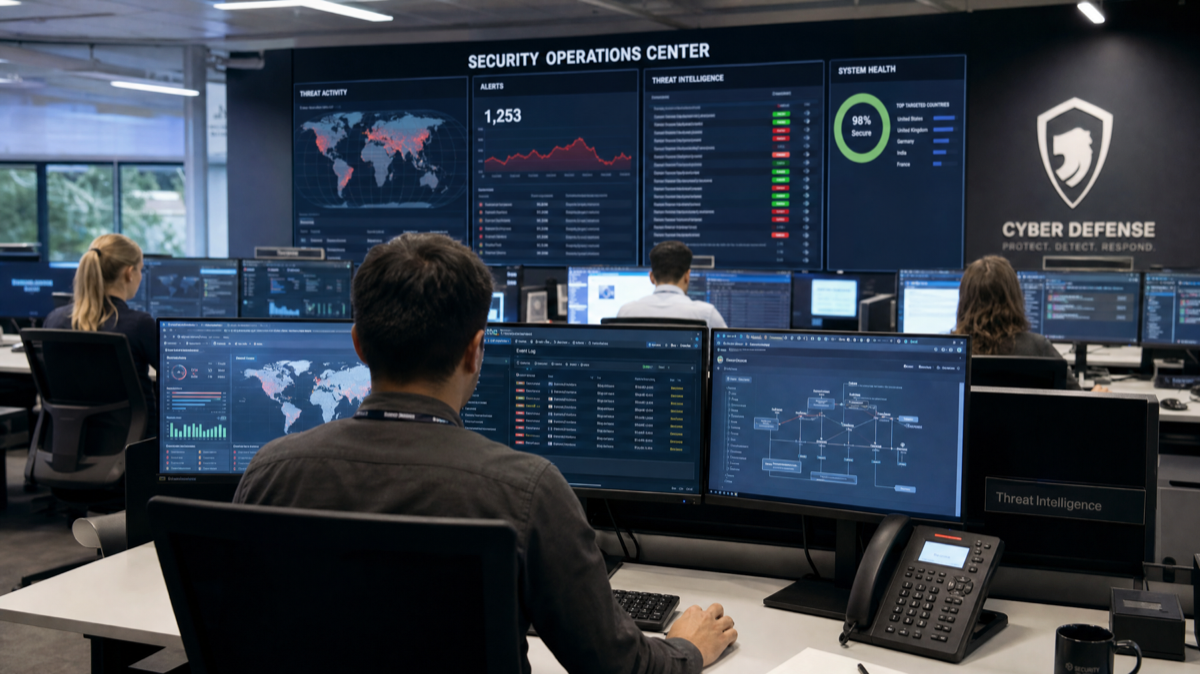
The practical security questions are becoming more specific. Which employees can paste data into AI tools? Which models are approved? How are prompts logged? What happens when an AI agent receives access to files, tickets, terminals or customer systems? Who reviews output before it becomes an action?
These are not theoretical governance questions. They are operational controls. A company that treats AI as only a productivity tool may discover too late that it also created a new identity layer, a new data path and a new source of automation risk.
Security conferences like BSides matter because they connect researchers, defenders and practitioners before those risks harden into defaults. The AI security conversation needs fewer abstract warnings and more shared playbooks: logging, sandboxing, access control, evaluation, red teaming and incident response.
The conference also reflects a regional shift. India is not only a market for AI tools; it is a major base for the engineers and security teams that will operate them. If AI changes the global security workflow, Bengaluru will be one of the places where that change is implemented at scale.
The test after BSides is whether the discussion moves into procurement and operations. AI security cannot remain a conference theme. It has to become an everyday discipline inside enterprises that are giving models more data, more tools and more authority.
Topics: BSides Bangalore, AI security, cybersecurity, India