Security
Arcade.dev's $60 Million Round Shows Agent Security Is Becoming Infrastructure
Arcade.dev's new Series A funding lands at the exact moment enterprises are asking how AI agents should be allowed to act. The answer increasingly looks like authorization, policy enforcement, credential protection, and audit logs built directly into the agent stack.
By Leo W ·
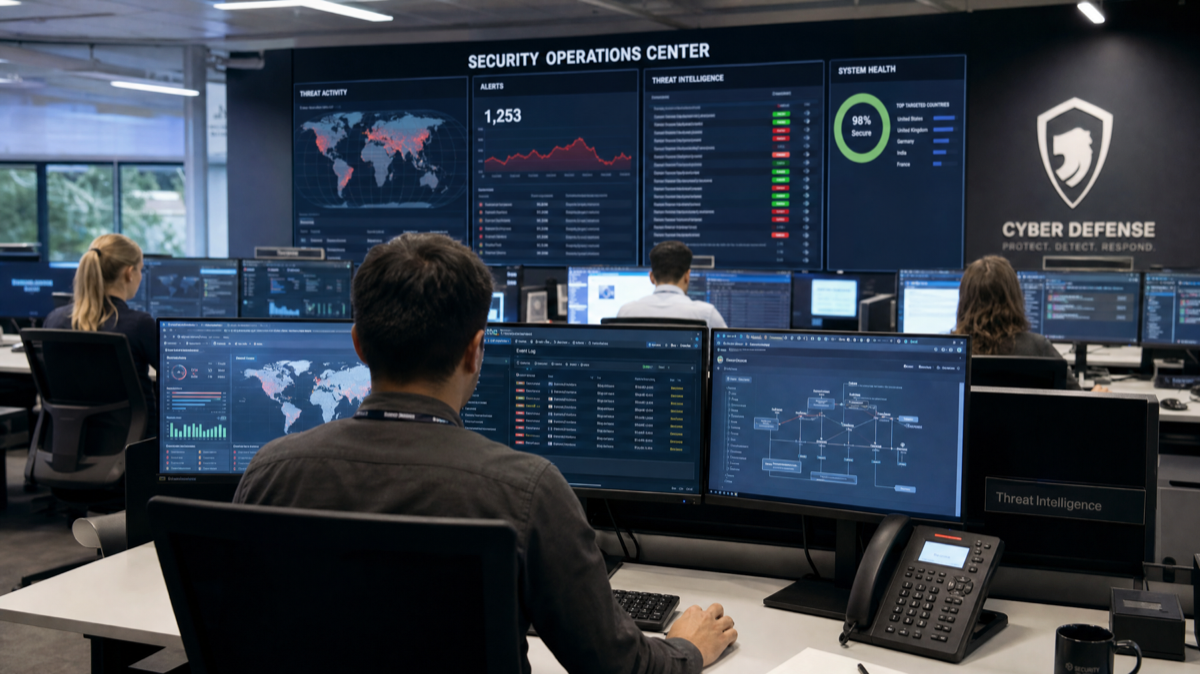
Arcade.dev has raised $60 million in Series A funding, according to The Wall Street Journal, and the round says a lot about where enterprise AI is heading. The company is not selling another chatbot interface. It is building the authorization layer that decides what AI agents are allowed to do once they connect to real tools.
That distinction matters because the agent era changes the security perimeter. A chatbot that answers a question can be wrong and still mostly contained. An agent that can open tickets, query databases, send emails, modify files, or trigger payments needs a permission system that works at execution time, not just at login.
Authorization Becomes The Agent Bottleneck
Arcade's thesis is that the reasoning layer and action layer should be separated. The model can decide what it wants to do, but a policy layer should decide whether the action is allowed, what credentials are used, how the action is logged, and whether a human needs to approve it first.
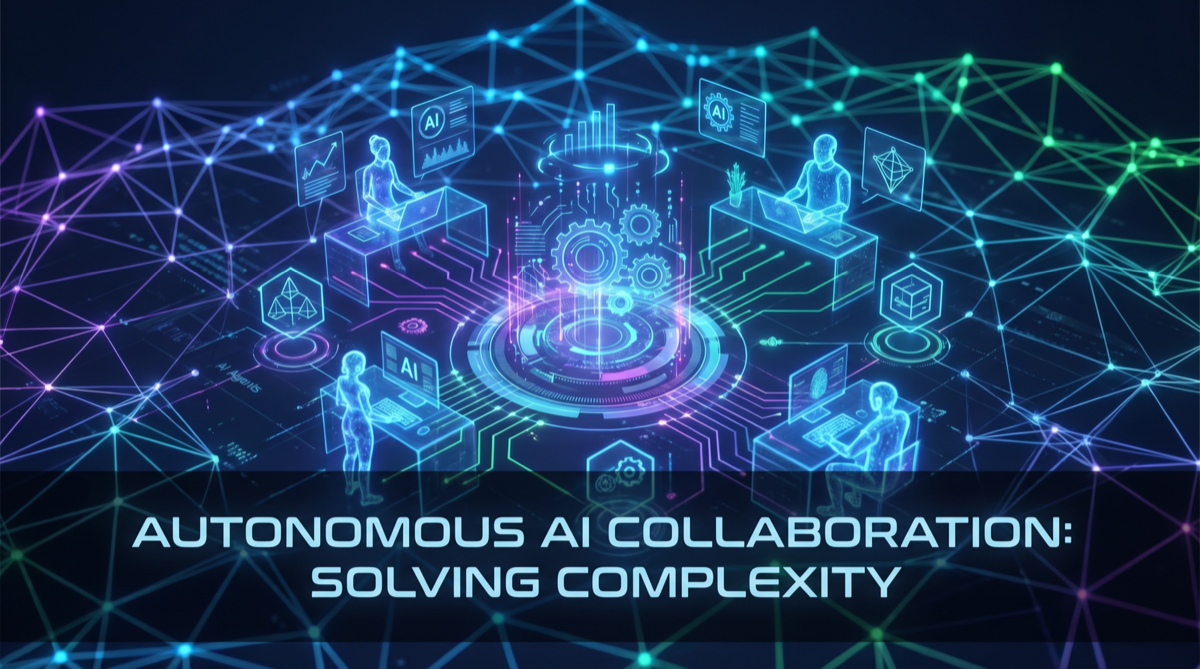
The architecture fits a broader market turn. Enterprises are no longer asking only whether a model can reason. They are asking whether an agent can be trusted with operational access. That means identity, role-based permissions, data boundaries, auditability, incident response, and compliance evidence become part of the AI product itself.
MCP Makes The Stakes Higher
The rise of the Model Context Protocol and similar tool-connection standards makes this problem more urgent. MCP makes it easier for models to connect to services, but easier connectivity also creates a larger blast radius if permissions are poorly designed.

Investors appear to see that control plane as valuable infrastructure. SYN Ventures led the round, with participation from Morgan Stanley and Wipro, according to the WSJ report. That mix is revealing: security specialists, financial institutions, and systems integrators all have reasons to care about how agents touch enterprise systems.
The Market Is Defining The Stack
That may sound unglamorous compared with a new model benchmark, but it is exactly the kind of plumbing that lets AI move from demos into production. Agents will not scale because they are clever. They will scale when companies can safely let them act.
Topics: AI agents, cybersecurity, Arcade.dev, MCP