Security
Edge AI's Energy Blind Spot Exposes A Hardware Accountability Problem
As agentic AI moves onto desktop and edge systems, incomplete energy telemetry could make it harder to measure the real cost of multi-step AI workflows.
By Leo W ·
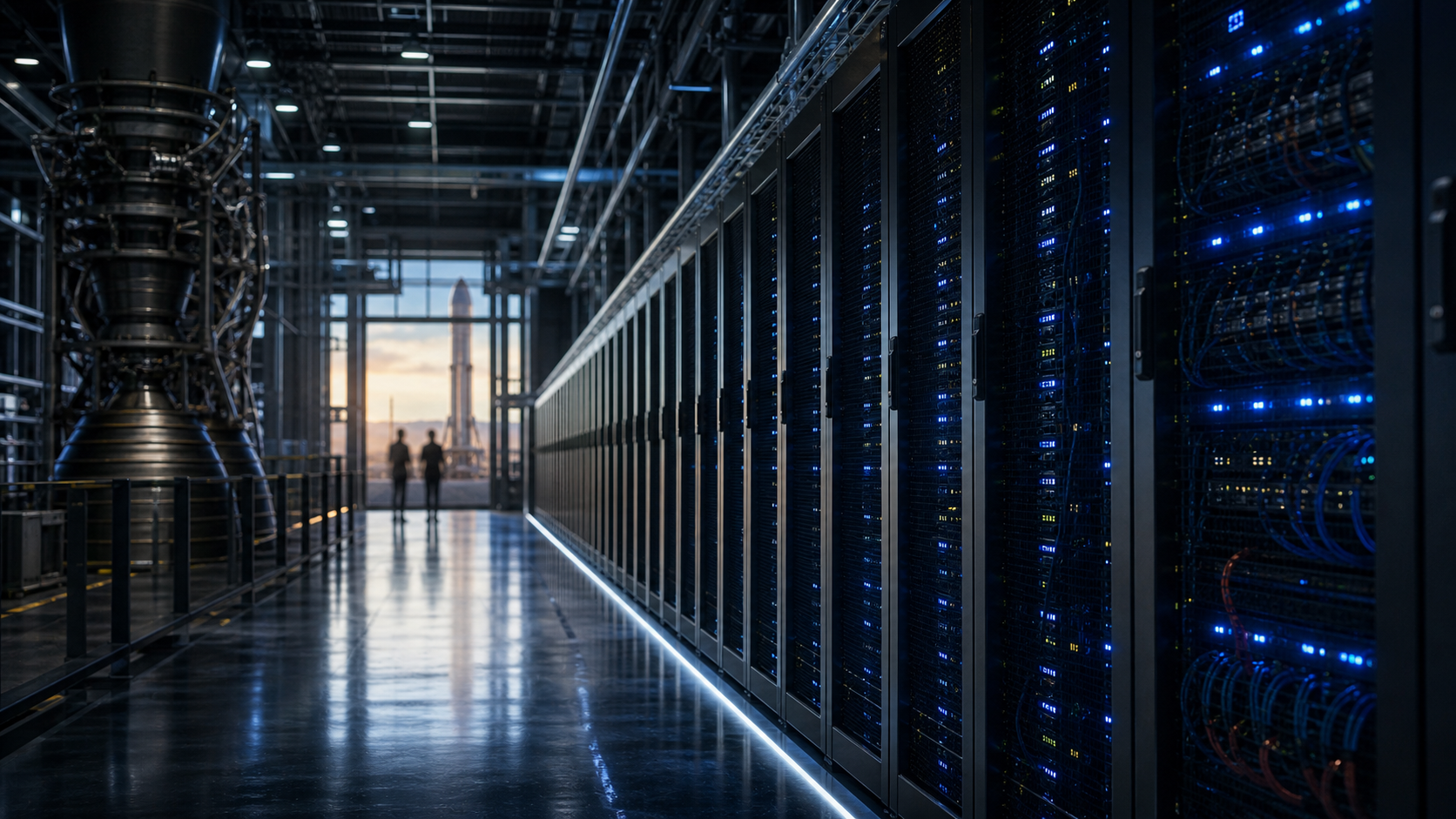
Edge AI has an energy-accountability problem. As agentic workloads move from cloud APIs onto desktops, workstations and local AI boxes, users may not be able to measure which processes are actually consuming power.
The problem is not that local AI systems use energy. All computing does. The problem is observability. If hardware exposes only partial power data, developers cannot reliably attribute energy use to a specific model, agent workflow, tool call or application.
That matters because agentic workflows are not simple one-shot inference. A single user request can trigger planning, search, code execution, retries, file reads, summarization and validation. Two applications may produce similar answers while consuming very different amounts of energy because one loops inefficiently or calls tools too often.
Without process-level energy data, optimization becomes guesswork. Product teams can see latency and maybe GPU power. They may not see CPU-side energy, memory effects, idle overhead or the cost of orchestration. That makes it harder to design efficient agents and harder for enterprises to report actual AI energy use.
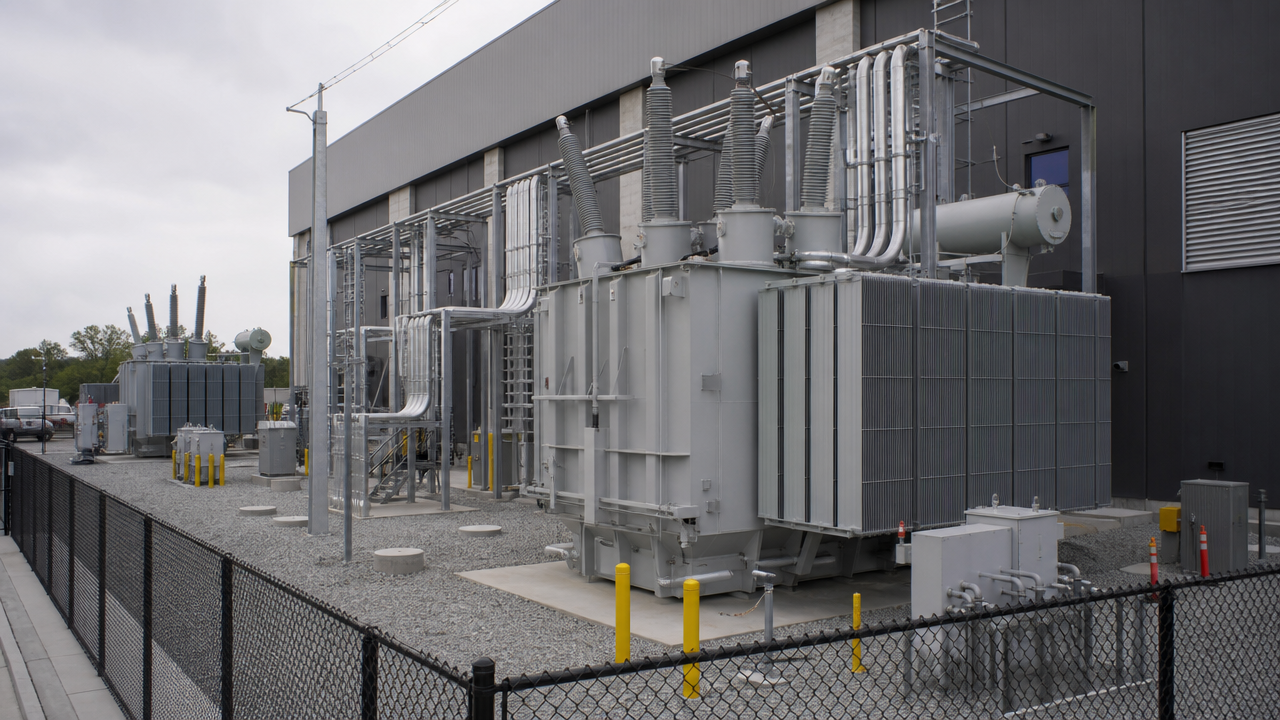
The security analogy is useful. Enterprises eventually learned that they could not govern software without logs, inventories and identity trails. AI energy use may need a similar discipline: hardware counters, runtime reporting, workflow-level attribution and standards that make measurement reproducible.
This is not only an environmental issue. It is a cost issue and a product-quality issue. If an agent burns energy through unnecessary retries, that is also a reliability smell. If a local AI workstation cannot tell a team which workflow caused a spike, it is harder to debug the system.
Vendors may resist exposing more telemetry because it adds complexity, reveals uncomfortable inefficiencies or requires coordination across CPU, GPU, firmware and operating-system layers. But buyers will increasingly ask for it as AI moves into regulated, cost-sensitive and sustainability-conscious environments.

The next generation of AI hardware will be judged not only by tokens per second. It will be judged by whether it can explain its own resource use well enough for developers, operators and auditors to trust it.
Edge AI promises local control. Control is hard to claim when the machine cannot say where the energy went.
Topics: edge AI, energy telemetry, agentic AI, hardware